If you’ve ever searched for a temple that blends spiritual depth with a genuine sense of peace, you’ve probably heard whispers about the Kundrathur Murugan Temple. It sits quietly on a hill, about 20 kilometers from the heart of Chennai, and yet it carries the weight of centuries within its stone walls. Pilgrims climb its steps at dawn. Devotees arrive with coconuts and camphor, eyes full of hope. And first-time visitors often leave wondering why they didn’t come sooner.
This isn’t just another temple on a tourist checklist. It’s a living, breathing sacred space with an ancient story, a rare idol, and a spiritual energy that’s hard to put into words. Whether you’re planning your first visit or your fiftieth, this guide has everything you need.
The Historical Legacy of Kundrathur Murugan Temple
History here doesn’t just live in books. You can feel it in the very granite beneath your feet. The Kundrathur Murugan Temple is believed to date back over a thousand years, with strong roots in the Chola dynasty era. The Cholas were prolific temple builders across Tamil Nadu, and this shrine on Kundrathur hill is considered one of their spiritual contributions to the region. Ancient inscriptions found within the temple complex point to royal patronage, ceremonial gifts of land, and the steady growth of the temple’s influence over centuries.
The presiding deity here is Lord Murugan, also known as Kartikeya, Skanda, and Subramanya across different parts of India. In Tamil culture, Murugan isn’t just a deity. He’s the embodiment of youth, valor, wisdom, and divine grace. Worship of Murugan has been embedded into Tamil identity for millennia, and this temple stands as one of the most revered expressions of that devotion.
Over the centuries, various dynasties and local chieftains contributed to the temple’s expansion. Structural additions, gopuram construction, and the installation of subsidiary shrines all took place across different periods. What you see today is the result of layered devotion, each generation adding something of its own.
The temple is locally known as Thiru Kundrathur Murugan Kovil, with “Thiru” being an honorific prefix that signals the sacred nature of the place. That word alone tells you something about how deeply this temple is woven into the spiritual fabric of the region.
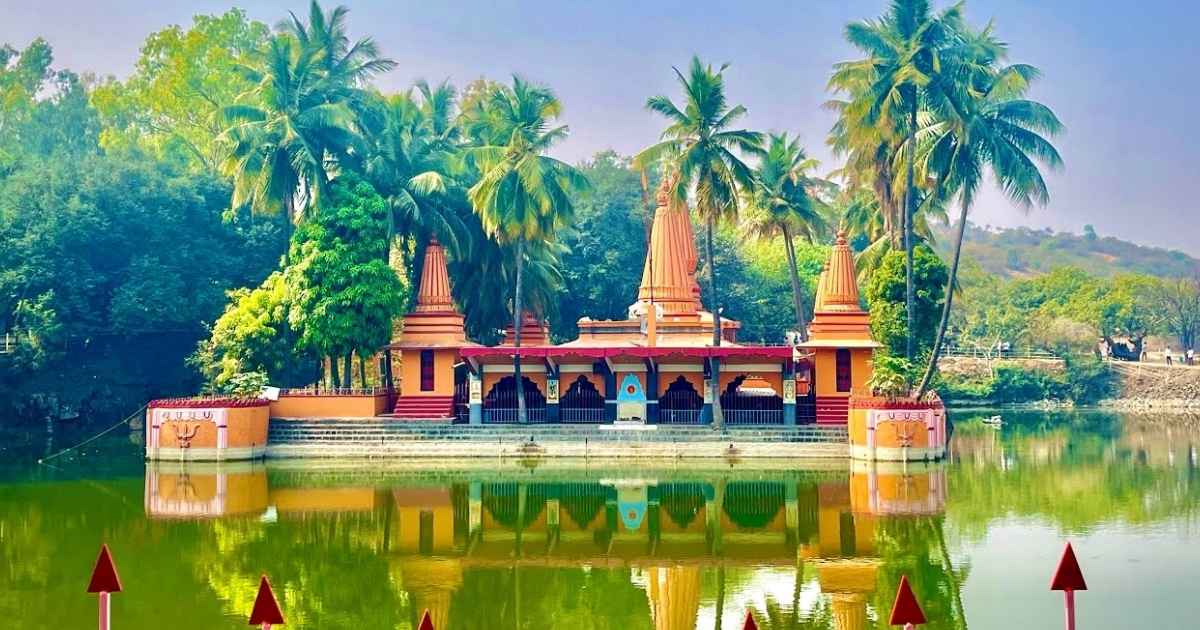
Also Read: Ramdara Temple, Pune: Complete History, Visiting Hours & Guide
The Architectural Grandeur
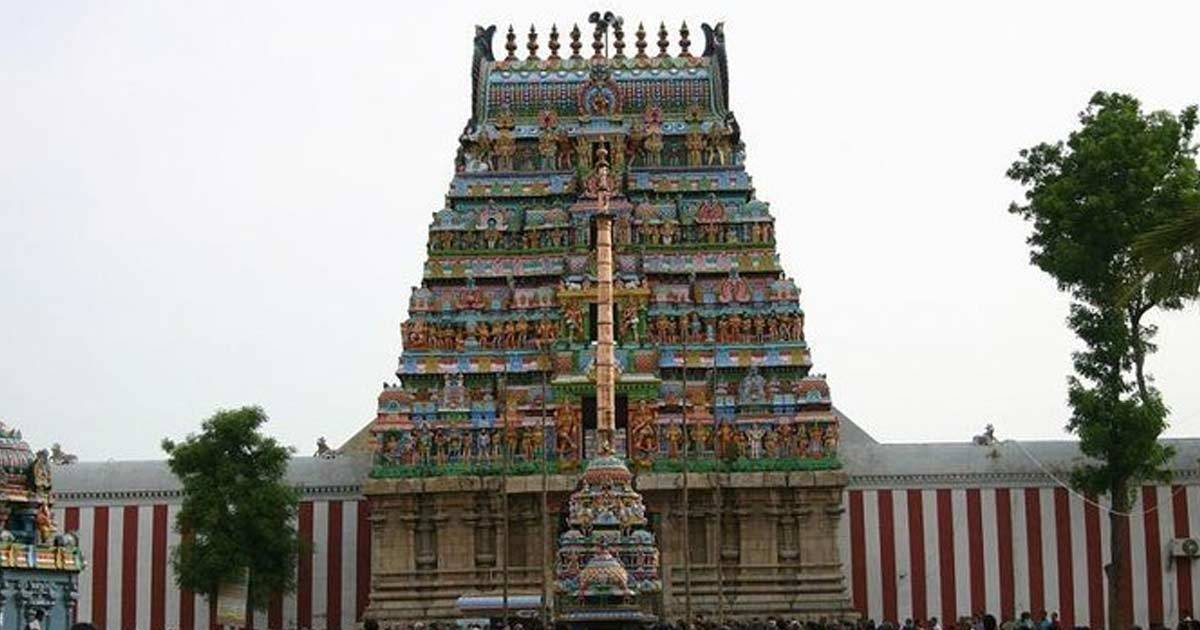
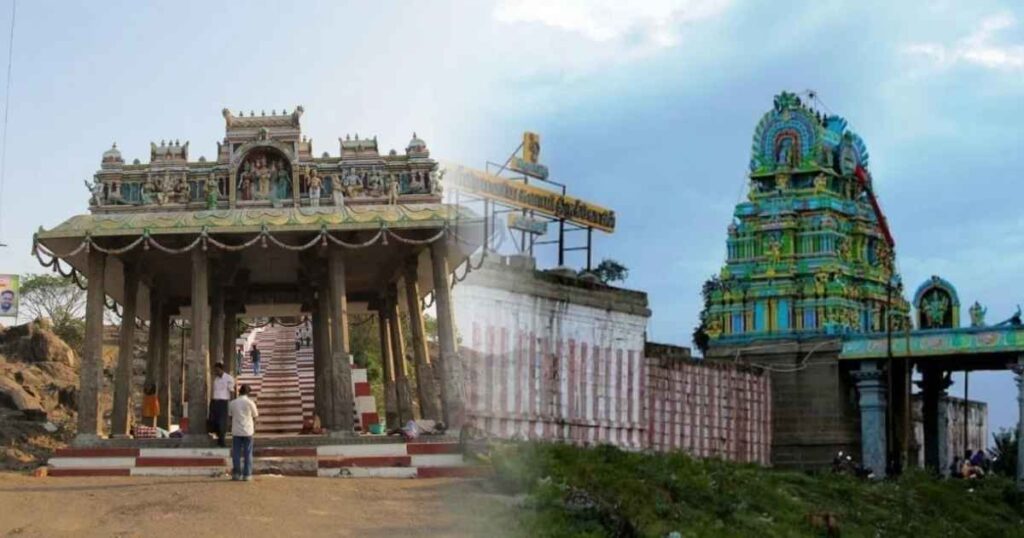
Walk toward the temple entrance and the first thing you’ll notice is the gopuram, the towering gateway tower adorned with stucco figures of gods, celestial beings, and mythological narratives. It’s a visual sermon. Every inch tells a story.
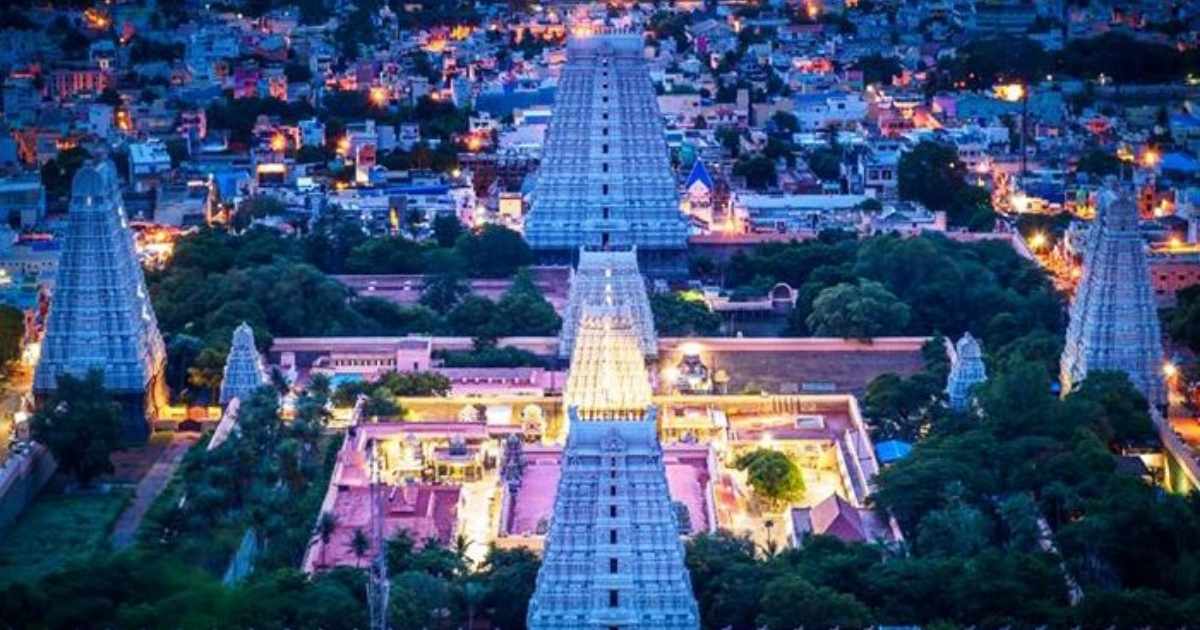
The temple follows classic Dravidian architecture, a style that’s been refined over centuries across South India. The Dravidian style is known for its tiered towers, ornate pillars, spacious courtyards, and intricate carvings that seem almost impossibly detailed. Kundrathur doesn’t disappoint on any of these fronts.
Inside the main sanctum, the architecture is deliberately designed to guide your gaze inward, both physically and spiritually. The mandapam, or pillared hall, features carved columns that depict scenes from Hindu mythology. Some carvings show Murugan in his various forms. Others depict celestial battles, divine processions, and scenes of devotion. If you take the time to observe rather than just pass through, you’ll find the architecture deeply rewarding.
The hill setting adds another layer to the experience. The temple is built into and around the natural rock formations of the hill, which means parts of the complex feel almost organic, as if the stone was always meant to hold this shrine. This integration of natural landscape and human craftsmanship is one of the hallmarks of Tamil Nadu’s hilltop temple tradition.
The inner sanctum walls carry ancient carvings that art historians and epigraphers have studied for their cultural significance. Murugan temple architecture carvings at Kundrathur offer valuable insights into the artistic traditions of medieval Tamil Nadu.
Spiritual Significance
There’s a reason people make the climb here with bare feet and folded hands. Lord Murugan, in the Tamil tradition, is seen as a guide for the soul. He represents the force that vanquishes ignorance and leads devotees toward clarity. His vel, the divine spear, is not just a weapon in mythology. It’s a symbol of spiritual discernment, the ability to cut through illusion and see truth.
Worshipping at the Kundrathur Murugan Temple is believed to bestow clarity of mind, success in endeavors, protection from negative forces, and above all, a sense of divine connection. For many Tamil families, visiting this temple isn’t just a religious act. It’s a family tradition passed down across generations.
The temple is also associated with fulfillment of vows. Devotees who have made a promise to Lord Murugan, whether for a child’s good health, success in examinations, or recovery from illness, come here to fulfill those vows with offerings, shaving of heads, and participation in special poojas. The atmosphere on such days is electric with faith.
Spiritual places near Kanchipuram and within the greater Chennai region are plentiful, but Kundrathur holds a special status among Tamil devotees for its antiquity and its unique traditions.
Major Festivals Celebrated
Thaipusam is arguably the most dramatic festival celebrated here. Observed in the Tamil month of Thai, usually falling in January or February, it commemorates the day Goddess Parvati gifted Murugan the vel to vanquish the demon Surapadman. Thousands of devotees arrive, many carrying kavadis, elaborately decorated frames borne on the shoulders as an act of devotion and penance. The Thaipusam celebration at Kundrathur temple draws crowds from across Chennai and beyond.
Panguni Uthiram is another major festival that holds special significance here. It falls in the Tamil month of Panguni, around March or April, and is particularly associated with the celestial wedding of Murugan with his consorts Valli and Deivanai. The rituals during Panguni Uthiram involve grand processions, special abhishekam ceremonies, and an outpouring of devotion that transforms the usually serene temple into a sea of color and sound.
Skanda Sashti is observed over six days and re-enacts the cosmic battle between Murugan and the asura Surapadman. The Kundrathur Murugan Temple’s Skanda Sashti rituals are elaborate and spiritually charged, culminating in the Soorasamharam, the theatrical re-enactment of the demon’s defeat. It’s powerful and moving to witness.
Other festivals like Karthigai Deepam, Tamil New Year, and Vaikasi Visakam are also celebrated with devotion and draw significant crowds. The annual festival calendar is rich and gives devotees multiple reasons to visit throughout the year.
Visiting Experience
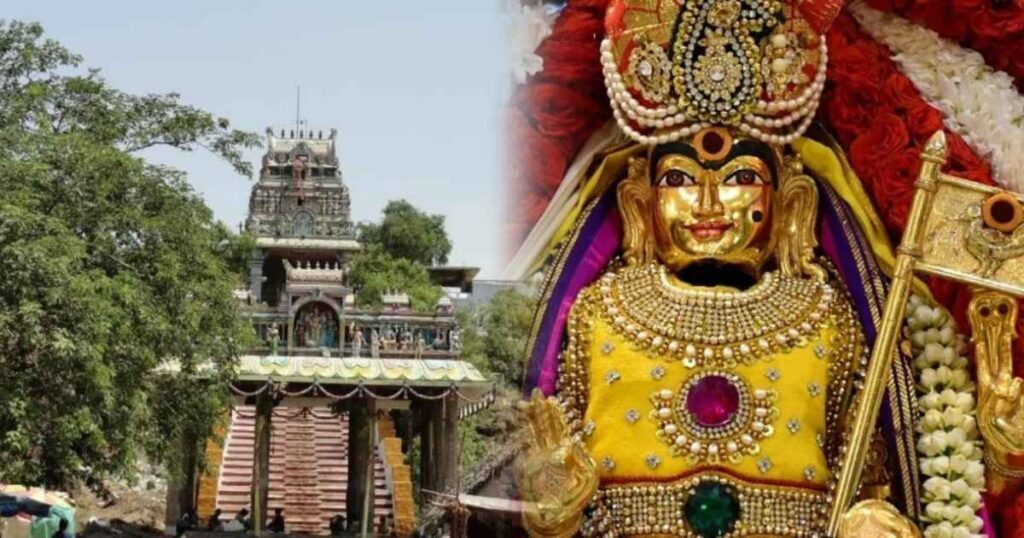
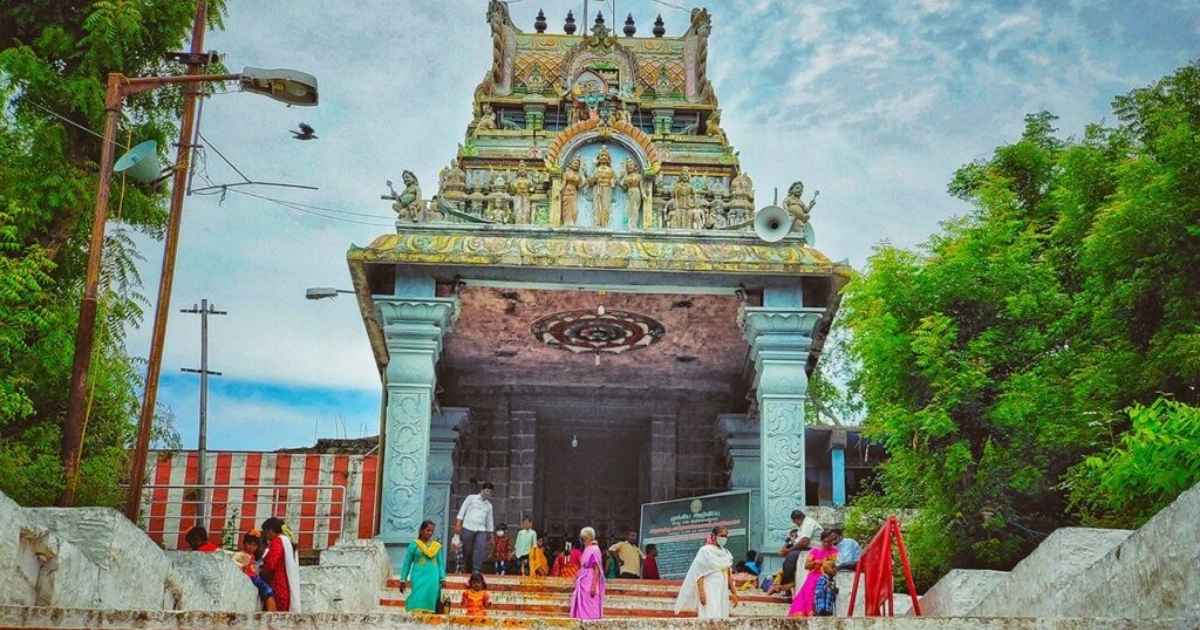
Arriving early is the best decision you’ll make. The climb to the temple involves steps cut into the hillside, and while the exact Kundrathur Murugan Temple steps count varies in different sources, devotees generally describe it as a moderate climb, manageable for most people including older visitors. The steps are well-maintained, shaded in parts, and lined with small shrines and vendors selling flowers, coconuts, and offerings. The ascent itself feels like a gradual transition from the noise of daily life to something quieter and more meaningful.
At the top, the views are genuinely panoramic. You can see Chennai’s cityscape stretching into the horizon on clear days. Standing there, with the temple at your back and the sky opening up before you, it’s a reminder of how much perspective a little elevation, literal or otherwise, can bring.
The darshan experience at Kundrathur is relatively calm compared to some of the larger, more crowded temples in the region. On regular days, you can expect a peaceful queue, attentive priests, and a genuine sense of sanctity in the inner sanctum. On festival days, the experience is more immersive, with chanting, music, and the shared energy of thousands of devotees.
Dress modestly. Traditional attire is always appreciated and, in some sections of the temple, required. The Kundrathur Murugan Temple dress code expects devotees to cover their shoulders and wear clothing appropriate to a place of worship. Men typically wear dhoti or trousers, and women wear sarees or salwar kameez.
Best Time to Visit
The best time to visit Kundrathur temple, in terms of weather, is between October and February. Chennai’s climate is notoriously humid and hot for much of the year, and visiting during the cooler months makes the hill climb significantly more comfortable.
That said, if your goal is to experience the full spiritual and cultural atmosphere of the temple, festival seasons are unbeatable. Thaipusam, Panguni Uthiram, and Skanda Sashti all fall in the cooler half of the year, which conveniently aligns with the best weather window.
Early mornings are ideal regardless of season. The light is soft, the crowds are smaller, and the air feels fresher. Many devotees arrive just after the morning pooja and spend an hour or two in quiet prayer before the day heats up. If you’re looking for a peaceful, meditative experience, dawn is your answer.
Temple Legends and Mythological Importance
Every great temple has a story. Kundrathur’s story reaches deep into the cosmic. The legend most closely associated with this temple involves the demon king Surapadman, one of the most powerful and arrogant asuras in Hindu mythology. Surapadman obtained a boon of near-invincibility from Lord Shiva and used it to wreak havoc across the heavens and the earth, imprisoning the gods and causing widespread suffering. The devas, desperate and defeated, appealed to Lord Shiva for help.
Shiva then channeled six sparks of divine fire, which eventually gave birth to Murugan, the destined warrior god. Murugan, armed with the vel bestowed by Parvati, led the celestial army against Surapadman’s forces. After a fierce battle, he defeated and ultimately transformed Surapadman, in a gesture of divine mercy, into the rooster that adorns his flag and the peacock he rides.
The Kundrathur Murugan Temple legend surrounding Surapadman is particularly resonant at this site because the hill itself is considered a place where Murugan’s divine energy is especially present. Some legends also describe this location as a spot where a sage or devotee received a divine vision of Murugan, lending it additional sanctity.
These mythological layers are what elevate the temple from an architectural monument to a living mythological landscape.
Unique North-Facing Murugan Idol Significance
This is one of the most fascinating aspects of the Kundrathur Murugan Temple, and it’s something that genuinely sets it apart.
Most Hindu temple sanctums are oriented so that the main deity faces east, the direction of the rising sun, which symbolizes auspiciousness and the beginning of all things. But here, the Murugan idol faces north. That’s unusual. And in Hindu temple tradition, unusual orientations are never accidental.
So why does Murugan face north at Kundrathur? The theological explanation centers on a mythological context. According to local tradition and priestly lore, the north-facing orientation signifies that Lord Murugan here is in a posture of active engagement, facing the direction from which negative forces approach, ready to vanquish them. It’s a protective stance, the god perpetually positioned between his devotees and harm.
Another interpretation links the north-facing direction to Kubera, the lord of wealth and prosperity, who governs the northern direction. A deity facing north is thus seen as blessing devotees with abundance and spiritual wealth.
This unique orientation is a major reason why the Kundrathur Murugan Temple is considered distinct among the Murugan temples to visit near Chennai. Pilgrims who understand this significance often stand before the idol with a heightened sense of awe, knowing they are receiving darshan from a deity positioned in a particularly powerful and protective aspect.
Daily Poojas and Ritual Practices
The rhythm of daily life at the temple is anchored in its pooja schedule. The temple conducts multiple poojas throughout the day, beginning in the early morning and continuing through the evening. The morning abhishekam, the ritual bathing of the deity with milk, honey, rose water, and other sacred substances, is considered highly auspicious. Devotees who witness or participate in the Kundrathur Murugan Temple abhishekam often describe the experience as deeply moving.
After abhishekam, the deity is adorned with fresh flowers, sacred clothing, and jewelry. Alangaram, or divine decoration, is done with great care and skill by temple priests who follow strict Agamic traditions. The result is a resplendent form of the deity that devotees line up to see during darshan.
Special poojas are available for devotees who wish to book specific rituals in honor of birthdays, anniversaries, or the fulfillment of vows. The Kundrathur Murugan Temple special poojas can be arranged at the temple office, and many devotees book in advance, especially for festival periods.
Evening poojas, particularly the Deeparadhana, are visually stunning. Rows of lit lamps are waved before the deity in a ceremonial gesture, accompanied by the sound of bells, nadhaswaram music, and the chanting of ancient Tamil and Sanskrit hymns. If you can attend even once, it’ll stay with you.
Nearby Temples and Attractions to Explore
Kundrathur sits in a region rich with sacred sites, and combining your visit with nearby temples makes for a deeply fulfilling pilgrimage itinerary. The Pallavaram area, close to Kundrathur, has several temples of historical significance. Mangadu Kamakshi Amman Temple is one of the most prominent nearby shrines, dedicated to Goddess Shakti and drawing enormous crowds during Navaratri. It’s around 8 to 10 kilometers from Kundrathur and very accessible.
Marundeeswarar Temple in Thiruvanmiyur, though further in Chennai city, is another important Shiva shrine. For devotees interested in exploring Tamil Nadu religious tourism beyond the immediate area, the Kanchipuram temple circuit is within reach, about 40 to 50 kilometers away.
Locally, the Kundrathur area also has smaller shrines and devotional spots that are worth exploring if you have extra time. Ask locals or the temple office for recommendations. Some of the most spiritually charged places in Tamil Nadu aren’t in any guidebook, they’re in the hearts of the people who have been visiting them for decades.
Travel Tips for First-Time Devotees
Going for the first time? Here’s what will make your experience smoother and more meaningful. Start early. Reaching the temple by 7 or 8 in the morning gives you the benefit of cooler temperatures, shorter queues, and the chance to witness the morning poojas. Weekdays are generally quieter than weekends, and non-festival days are calmer than festival ones.
Wear comfortable footwear that’s easy to remove. You’ll be barefoot inside the temple and on the steps. If you’re visiting in summer, carry a pair of thick socks because stone surfaces heat up quickly under the Tamil Nadu sun.
Carry your offerings from home or buy them from vendors near the temple base. Flowers, coconuts, incense, and camphor are standard. Avoid plastic bags and help keep the sacred space clean.
On the matter of Kundrathur Murugan Temple photography rules, photography inside the main sanctum is generally not allowed. Always check with temple staff before pointing a camera anywhere within the complex. Disrespecting this rule isn’t just impolite. It’s genuinely disruptive to other devotees who are there to pray.
Parking is available near the base of the hill. If you’re using public transport, the Chennai to Kundrathur temple bus route is well-served from several points in the city. Auto-rickshaws and cabs from the nearest railway station are also widely available.
Facilities and Amenities for Pilgrims
The temple administration has put in genuine effort to make the pilgrimage experience comfortable and accessible. There are clean restrooms available near the temple base and along the steps. Drinking water facilities are present, and during major festival seasons, the facilities are scaled up to handle larger crowds. Footwear depositories are available so you don’t have to carry your shoes up the hill.
A small annadhanam, or free food offering, is sometimes available on special days, particularly during major festivals. This practice of feeding devotees is a beautiful tradition in Tamil temple culture and speaks to the temple’s deep roots in the community.
For pilgrims with mobility challenges, there are alternative arrangements available, though the hill steps remain the primary path. It’s worth calling the temple office in advance if you have specific accessibility needs.
There are also shops near the temple selling prasad, religious items, and souvenirs. Keep in mind that while some items make lovely gifts, it’s always good to buy from official temple-authorized vendors where possible.
Temple Timings
Knowing the Kundrathur Murugan Temple opening hours before you go saves you the frustration of arriving at the wrong time. The temple generally opens early in the morning, around 6:00 AM, and closes for a midday break before reopening in the late afternoon. Evening darshan typically continues until around 8:00 or 9:00 PM. However, timings can shift during festivals, special occasions, and certain lunar calendar days.
The Kundrathur Murugan Temple timings may also vary slightly by season. It’s always a good idea to verify current timings directly with the temple or through a trusted local source before planning your visit. Arriving outside opening hours means missing out, and that’s a disappointment nobody needs after making the journey.
For special poojas, the Kundrathur Murugan Temple pooja booking process typically requires visiting or contacting the temple office. On major festival days, the temple may remain open for extended hours to accommodate the surge in devotees.
How to Reach Kundrathur Murugan Temple
The temple is about 20 kilometers from central Chennai, making it one of the most accessible Murugan pilgrimage spots near the city.
By road, the most straightforward route is via Vandalur or Porur, depending on where you’re starting from in Chennai. The distance from Chennai to Kundrathur temple is manageable even in moderate traffic. Following directions toward Kundrathur village and looking for signboards leading to the hill temple will get you there without much confusion.
If you prefer public transport, several bus routes from Chennai Mofussil Bus Terminus and other city bus stops connect to Kundrathur. Buses run frequently and are a cost-effective option. From the bus stop, the temple is within easy walking distance or a short auto-ride.
The nearest railway station is Vandalur, on the Chennai Beach to Tambaram suburban rail line. From Vandalur, Kundrathur is accessible by auto-rickshaw or shared cab. The journey takes about 15 to 20 minutes depending on traffic.
For those using GPS or map apps, searching “Kundrathur Murugan Temple location map” will pull up the exact coordinates and give you turn-by-turn directions. It’s straightforward once you’re in the area.
FAQ’s
What are the Kundrathur Murugan Temple timings?
The temple generally opens around 6:00 AM and closes around 8:30 to 9:00 PM, with a midday break. Timings may vary on festival days, so it’s best to confirm directly with the temple before visiting.
Why does the Murugan idol face north at Kundrathur?
The north-facing orientation is considered unique and spiritually significant. It symbolizes a protective stance, with the deity positioned to ward off negative forces, and is also linked to blessings of prosperity associated with the north direction.
How many steps are there to climb at Kundrathur Murugan Temple?
The exact count isn’t universally agreed upon, but the climb is considered moderate and manageable for most devotees, including older visitors. The steps are well-maintained and lined with small shrines along the way.
What is the best time to visit Kundrathur Murugan Temple?
October to February offers the most comfortable weather for the visit. Festival seasons like Thaipusam, Panguni Uthiram, and Skanda Sashti are ideal if you want to experience the temple’s full spiritual and cultural atmosphere.
How do I reach Kundrathur Murugan Temple from Chennai?
The temple is about 20 kilometers from central Chennai. You can reach it by bus, auto-rickshaw from Vandalur railway station, or by private car via Vandalur or Porur routes. It’s well-connected and easy to navigate with GPS.

Oliver Bennett is Researcher focused on responsible, experience-led exploration. Having independently planned and completed 40+ trips across Europe and Asia, he provides practical itineraries, transport guidance, and safety insights grounded in firsthand knowledge. His work is supported by verified sources, local expert interviews, and regularly updated travel regulations.