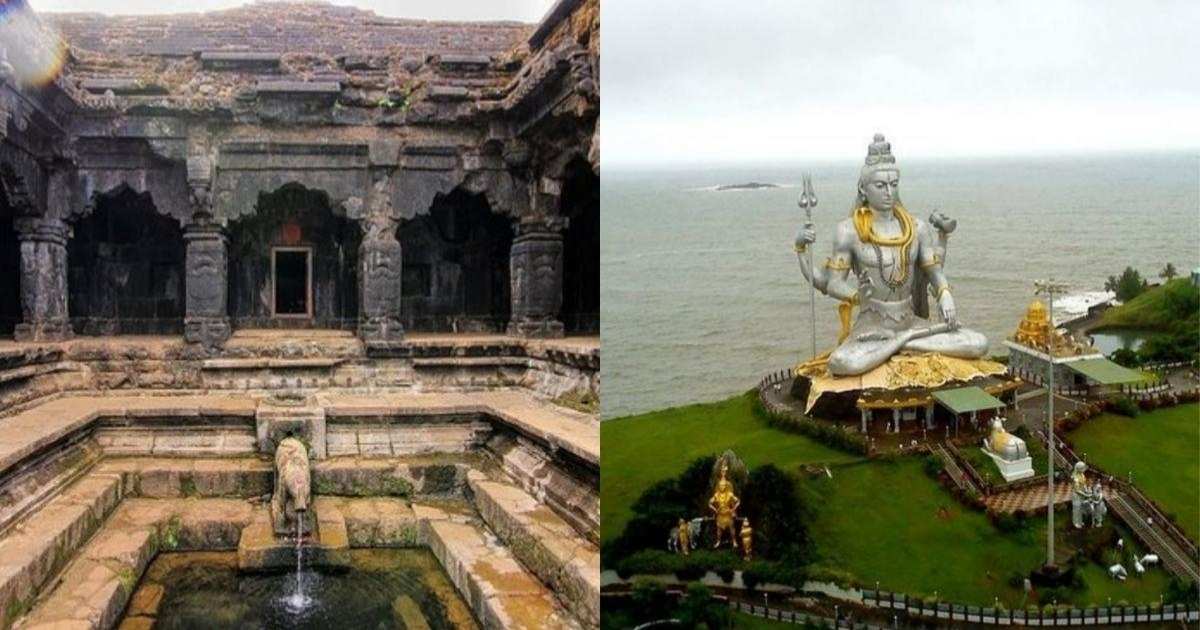
There’s something that stops you in your tracks the moment you enter Gokarna. It’s not the beaches. It’s not the food. It’s the feeling that you’ve just walked into a town that has been holding its breath for thousands of years, waiting for you to finally show up and pay attention.
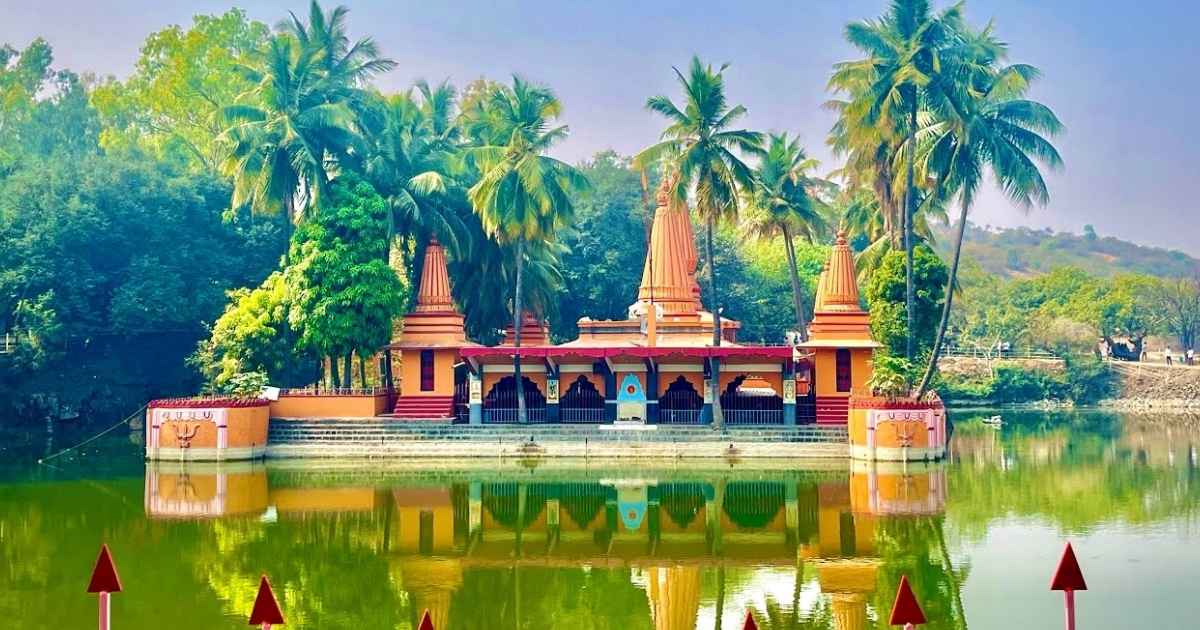
Tucked away on the western coast of Karnataka, Gokarna is one of those rare places where spirituality isn’t performed. It just exists. And at the heart of this coastal pilgrimage town stands the Mahabaleshwar Temple, a shrine so ancient, so layered in mythology, and so architecturally striking that calling it “just a temple” feels almost disrespectful.
Whether you’re a devoted pilgrim, a curious traveler, or someone who simply wants to understand why millions of Hindus consider this place as sacred as Varanasi itself, this guide covers everything you need to know before you visit.
Historical and Mythological Background
The story of this temple doesn’t begin with bricks and mortar. It begins with the most infamous devotee Lord Shiva ever had: Ravana, the all-powerful king of Lanka.
According to ancient Hindu scriptures, Ravana was a formidable devotee of Lord Shiva. He performed intense tapasya, or austerities, and eventually pleased Shiva to the point where Shiva agreed to give him the Atmalinga, a sacred linga believed to embody Shiva’s very soul and cosmic energy. Possessing the Atmalinga, it was said, would make Ravana invincible. Even the gods trembled at the thought of Lanka holding such power.
There was one condition, though. Shiva told Ravana that the Atmalinga must never be placed on the ground before reaching Lanka. If it touched the earth, it would become permanently fixed there.
The gods, particularly Lord Vishnu and Lord Ganesha, weren’t going to let that happen. As Ravana was journeying back to Lanka, they devised a clever plan. Vishnu used his power to make the sun set prematurely, tricking Ravana into believing it was evening. It was time for his ritual prayers, and Ravana needed both hands free. He looked around for someone to hold the Atmalinga momentarily.
That’s when Ganesha appeared, disguised as a young brahmin boy. Ravana handed him the Atmalinga. Ganesha, of course, placed it on the ground before Ravana could return. The linga sank into the earth right there, at the spot that is now Gokarna.
Ravana tried desperately to pull it out. He twisted it, yanked it with such force that pieces broke off and scattered across the surrounding region. Those broken fragments are now the other sacred shrines of Gokarna: the Ganapati Temple, Chandreshwara, Bhadrakali, and others. The main linga, however, stayed exactly where it landed. That is the Atmalinga of Lord Shiva enshrined inside the Mahabaleshwar Temple today.
This origin story isn’t just folklore. It’s the soul of this entire pilgrimage site. You’re not visiting a building. You’re visiting the spot where divine trickery outwitted demonic ambition.
As for its documented history, the temple has deep roots in the Kadamba dynasty, one of the earliest ruling families of Karnataka. The Kadambas were known for their patronage of Hindu temples and their reverence for Shaivite traditions. Inscriptions and historical records link royal patronage to this site over many centuries, cementing its status as one of the most authoritative sacred temples in South India.
Read More: Trimbakeshwar Temple – A Complete Guide 2026
Architectural Splendor
Walk into the Mahabaleshwar Temple and your eyes will take a moment to adjust. Not just to the dim, devotion-soaked interiors, but to the sheer visual weight of what surrounds you.
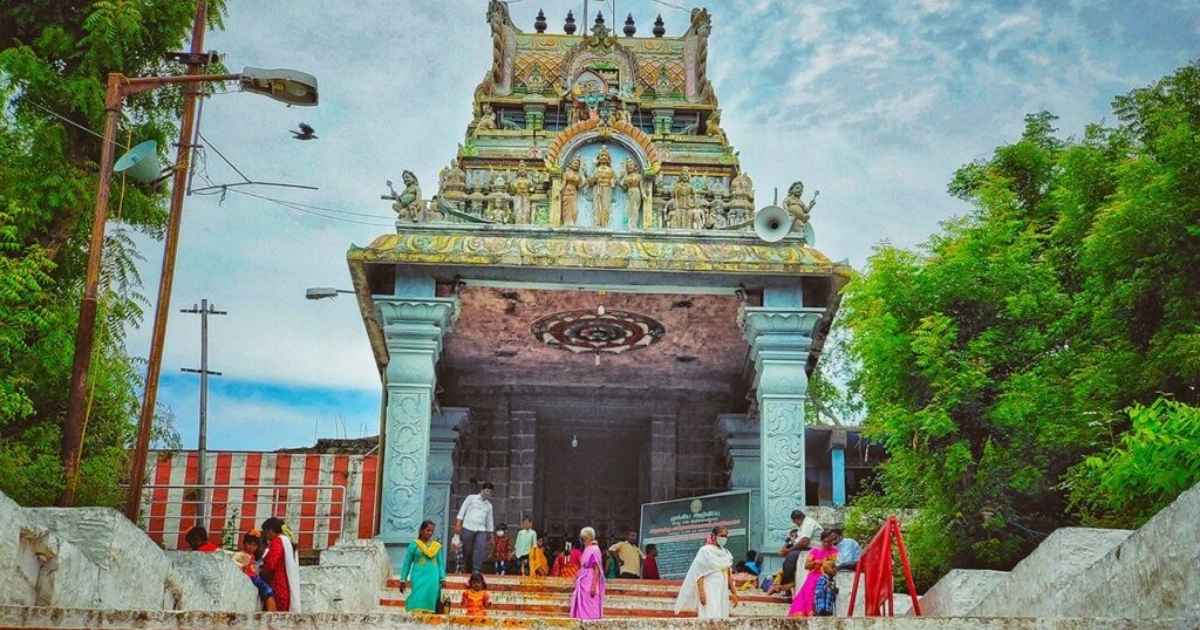
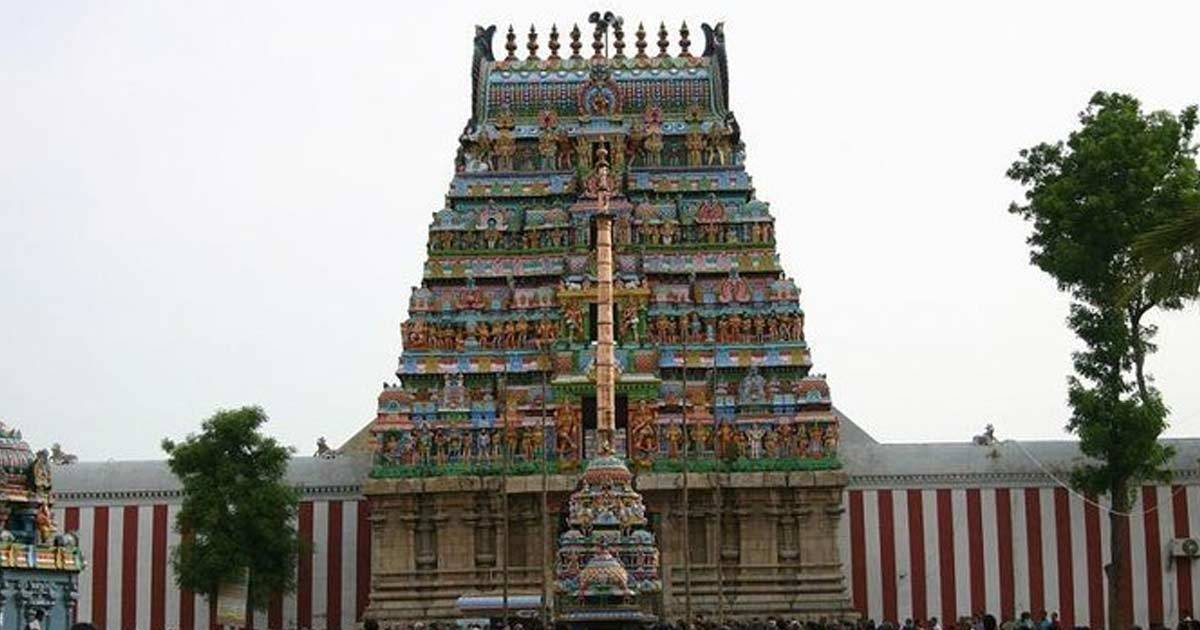
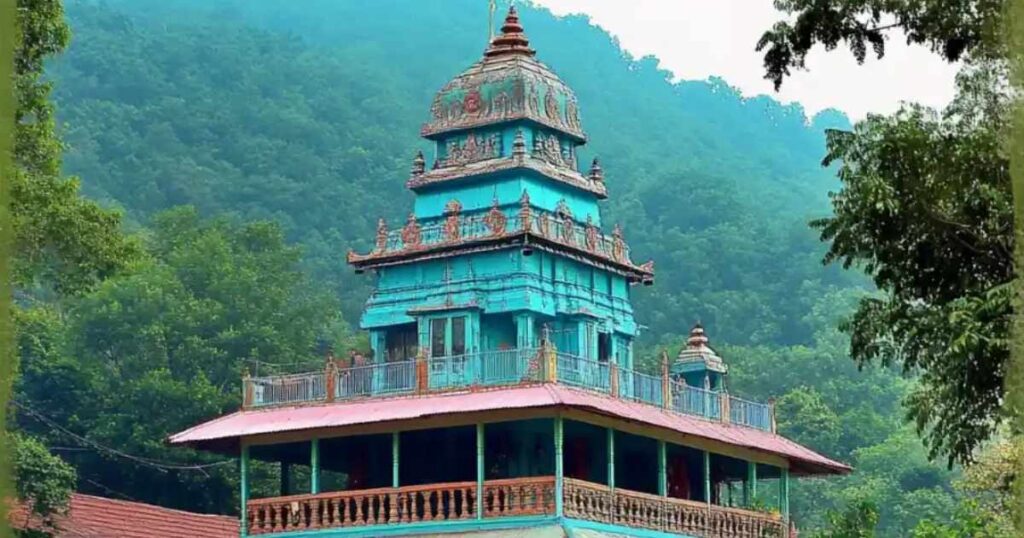
The temple follows the classic Dravidian architecture style, a tradition that defines much of South India’s temple-building heritage. The Dravidian style is characterised by its pyramidal gopuram, the towering gateway that rises dramatically above the entrance, covered in intricate carvings that tell stories in stone. Every figure, every motif, every panel carved into this temple’s walls has meaning. Nothing is decorative for the sake of it.
The temple complex is laid out in the traditional manner, with a sanctum sanctorum (the garbhagriha) that houses the Atmalinga. The linga itself is unusual in its appearance. Devotees describe it as looking almost like a human ear, which has added to centuries of fascination and reverence. Access to the inner sanctum is restricted in terms of closeness, but the Atma Darshan window allows pilgrims to glimpse the sacred linga during specific times, which we’ll get to shortly.
The stonework throughout the temple reflects the craftsmanship of artisans who worked under generations of royal patronage. Unlike many over-restored temples that feel sterile, Mahabaleshwar Temple retains an aged, lived-in quality. The stone is darkened with time, the air carries incense that seems to have been burning for centuries, and the sounds of bells and Sanskrit chants bounce off walls that have absorbed millennia of prayer.
It’s not a museum. It’s a living, breathing place of worship, and that distinction matters deeply.
Religious Significance
The religious weight of this temple is genuinely difficult to overstate. Gokarna is listed among the Mukti Kshetras of Karnataka, places where moksha, or spiritual liberation, is believed to be attainable. That puts it in rare company. In the Hindu spiritual geography of India, very few places carry that designation.
Gokarna is often called the Dakshin Kashi, meaning the Kashi of the South. Kashi, or Varanasi, is universally regarded as the holiest city in Hinduism. Being called its southern equivalent tells you everything about how seriously this place is taken by practitioners of the faith.
One of the most significant rituals performed here is Shraddha, the Hindu rite of paying homage to deceased ancestors. Devotees travel specifically to Gokarna to perform Shraddha rituals and the associated Pinda Pradana ceremony, where offerings are made to ancestors to ensure their peaceful passage in the afterlife. This practice draws thousands of families from across India every year, many of whom have been making this pilgrimage for generations.
The belief surrounding the Atmalinga adds another layer of sacred significance. Devotees hold that having darshan of the Atmalinga, even a glimpse, can purify the soul and absolve accumulated sins from multiple lifetimes. That’s not a casual claim in Hindu theology. It places this temple among the most potent sites of spiritual merit in the entire tradition.
For many pilgrims, visiting Mahabaleshwar Temple in Gokarna is not a one-time trip. It becomes a recurring act of devotion, something woven into the rhythm of their spiritual lives.
Festivals and Celebrations
If you want to see Gokarna at its most electric, most overwhelming, and most deeply human, visit during its two major festivals.
Maha Shivaratri at Gokarna is nothing short of extraordinary. Celebrated across India in honor of Lord Shiva, this night-long festival takes on a special intensity here because of the Atmalinga’s presence. Pilgrims arrive days in advance. The town swells. The streets fill with chanting, lamp-lit processions, and devotees who’ve traveled from every corner of Karnataka and beyond. The temple stays open through the night, and the atmosphere is unlike anything you’d experience at a regular festival. There’s an urgency to the devotion here, a collective awareness that this place holds something singular.
The Rathotsava, or chariot festival, is equally spectacular. During this festival, the deity is placed on a massive ceremonial chariot and pulled through the streets of Gokarna by thousands of devotees. The chariot itself is intricately decorated, and the procession moves with a kind of joyful, controlled chaos that you have to witness to truly understand. Streets that are normally quiet become rivers of humanity. Drums, conches, and chants fill the air from dawn until the procession concludes.
Both festivals reflect something important: the temple isn’t just a place of quiet, individual prayer. It’s also a site of collective, exuberant celebration. The community comes alive around these events in ways that reveal how deeply the temple is woven into everyday life in Gokarna.
Darshan Timings
Before you plan your visit, you need to understand the temple’s schedule. The timings follow a structured pattern, and showing up at the wrong hour means you might miss darshan entirely.
| Session | Opening Time | Closing Time |
| Morning Darshan | 6:00 AM | 12:00 PM |
| Afternoon Break | 12:00 PM | 5:00 PM |
| Evening Darshan | 5:00 PM | 8:00 PM |
The Atma Darshan window, through which devotees can view the Atmalinga directly, is available only during specific morning hours. It’s worth arriving early, ideally by 6:30 AM, to experience this. The crowd builds quickly, and the experience is far more intimate in the early morning hours than later in the day.
Non-Hindus may have restricted access to the inner sanctum. It’s always a good idea to check locally or with the temple authorities for current policies before your visit. Rules can vary during festival seasons.
Photography inside the temple premises is generally not permitted. Respect that boundary. This place is sacred to millions of people, and treating it with the same reverence you’d want for your own most holy spaces is simply the right thing to do.
Spiritual Experience at Gokarna
There’s a version of Gokarna that exists on Instagram, all sunsets, hammocks, and Om Beach aesthetics. That version is real, but it’s only a sliver of what this place actually is.
The spiritual experience of Gokarna is cumulative. It builds on you. On your first morning, you might wake up to the sound of temple bells drifting through the narrow lanes of the old town. You’ll walk past pilgrims doing their morning rituals by the water. You’ll smell incense before you even see the temple. By the time you’re standing in the darshan line, something has already shifted in the quality of your attention.
The town itself functions as an extension of the temple’s spiritual atmosphere. Gokarna’s religious tourism is built on this immersive quality. Unlike larger pilgrimage cities that can feel overwhelmingly commercialised, Gokarna retains a smaller, more contemplative character. The Arabian Sea is right there, adding a natural grandeur to the setting that amplifies the feeling of being somewhere genuinely significant.
Many pilgrims combine their temple visit with a dip in the sea, a ritual bath that precedes their darshan. The combination of the ocean’s elemental power and the temple’s concentrated sacred energy creates an experience that’s genuinely hard to replicate anywhere else.
If you’re someone who doesn’t identify as religious but is drawn to meaningful travel, Gokarna will still move you. The sincerity of devotion you’ll witness here is something that transcends personal belief systems.
Other Attractions Around the Temple
Gokarna rewards exploration beyond the main temple. The town and its surroundings hold several other sites worth your time.
The Ganapati Temple is one of the most visited spots in the area, directly connected to the Atmalinga legend as the place where Ganesha set down the sacred linga. The Chandreshwara temple sits on a hill above the town and offers a stunning panoramic view of Gokarna, the coastline, and the Arabian Sea. It’s a climb worth making, especially at sunrise or sunset.
Om Beach, named for its distinctive shape that resembles the Om symbol when viewed from above, is one of Karnataka’s most iconic stretches of coastline. It’s quieter than mainstream beach destinations and has an atmosphere that feels more reflective than recreational, which suits the overall character of Gokarna perfectly.
Kudle Beach is another beautiful option nearby, more serene and less visited than Om Beach. If you want somewhere to sit with your thoughts after a morning of temple visits, Kudle delivers exactly that.
For history enthusiasts, Mirjan Fort is located about 15 kilometers from Gokarna and is well worth a half-day trip. Built during the Nayaka period, the fort sits along the Aganashini River and is surrounded by lush greenery. It’s photogenic, atmospheric, and genuinely interesting from a historical standpoint.
Best Time to Visit
Gokarna is a year-round destination, but your experience will vary significantly depending on when you go.
October to February is widely considered the best time to visit. The weather is pleasant, temperatures are comfortable, and the skies are clear. This is the peak season for both pilgrims and leisure travelers, so expect more crowds, especially around major festivals.
March to May brings warmer temperatures and a drier atmosphere. It’s manageable but can be quite hot, particularly during midday hours. If you’re visiting specifically for temple rituals, the smaller crowds during this period can actually make for a more personal experience.
The monsoon season, June to September, transforms Gokarna into something visually spectacular. The Western Ghats go intensely green, the sea is dramatic, and the town takes on a moody, atmospheric quality. However, the heavy rains make travel harder, and some activities are restricted. Temple visits are still possible, but plan your transport carefully.
If your goal is to witness Maha Shivaratri at Gokarna, that typically falls in February or March depending on the lunar calendar. Plan and book accommodation well in advance, because the town fills up extremely quickly during this period.
How to Reach Mahabaleshwar Temple Gokarna
Getting to Gokarna is part of the adventure. It’s accessible, but not so effortlessly that the journey feels trivial. That, in some ways, adds to the pilgrimage quality of the trip.
By Air: The nearest airport is Dabolim Airport in Goa, approximately 140 kilometers away. From there, you can hire a taxi or take a combination of bus and train connections to reach Gokarna. Hubli Airport is another option, roughly 165 kilometers away.
By Train: Gokarna Road railway station is the closest station, about 9 kilometers from the town center. It’s connected to major cities including Bangalore, Mumbai, and Mangalore. From the station, auto-rickshaws and taxis are readily available to take you into town.
By Road: Gokarna is well-connected to nearby towns and cities via the National Highway network. From Bangalore, the drive takes approximately 9 to 10 hours. From Mangalore, it’s around 3 hours, and from Goa, roughly 2 to 3 hours depending on traffic. State-run and private buses operate regular services from several major cities.
Once you’re in Gokarna, the town is compact enough to explore primarily on foot. The temple, the beaches, and the main market area are all within reasonable walking distance of each other.
Accommodation for Pilgrims
Gokarna has evolved considerably as a travel destination and now offers a range of accommodation options to suit different needs and budgets.
Dharamshalas and pilgrimage rest houses are available close to the temple complex, offering basic but adequate facilities for pilgrims focused entirely on their spiritual visit. These are often managed by temple trusts or local religious organisations and are reasonably priced.
For those wanting more comfort, Gokarna has a solid selection of guesthouses, boutique stays, and small hotels, particularly in and around the beach areas. Properties near Om Beach and Kudle Beach tend to offer better amenities but are a short distance from the temple itself.
It’s important to book accommodation in advance if you’re visiting during Maha Shivaratri, the Rathotsava festival, or any major Hindu holiday. During peak festival periods, even budget rooms become scarce.
A helpful tip: staying within the old town area of Gokarna, close to the temple, gives you the most immersive experience. You’re within walking distance of the morning rituals, the temple bells reach you at dawn, and the general atmosphere is far more evocative of the town’s spiritual identity than staying on the beach side.
FAQ’s
What is the significance of the Atmalinga in the Mahabaleshwar Temple?
The Atmalinga is believed to be Lord Shiva’s soul linga, placed at Gokarna through divine intervention to prevent Ravana from gaining invincibility. Devotees consider having darshan of it one of the most spiritually purifying experiences in Hindu tradition.
Can non-Hindus visit the Mahabaleshwar Temple in Gokarna?
Entry policies for non-Hindus can be restrictive, particularly for the inner sanctum. It’s advisable to check with local authorities or the temple administration before your visit for the most current information.
What are the main festivals celebrated at Gokarna?
Maha Shivaratri and the Rathotsava chariot festival are the two most significant celebrations. Both draw enormous crowds and offer a deeply immersive experience of the region’s spiritual culture.
How far is Gokarna from Goa?
Gokarna is approximately 140 to 150 kilometers south of Panaji, Goa, making it roughly a 2 to 3-hour drive. Many travelers combine both destinations in a single trip.
What rituals can pilgrims perform at Gokarna?
Pilgrims commonly perform Shraddha rituals, Pinda Pradana ceremonies for ancestors, ritual sea baths, and temple darshan. The town’s status as one of the Mukti Kshetras of Karnataka makes all these practices particularly spiritually significant here.

Oliver Bennett is Researcher focused on responsible, experience-led exploration. Having independently planned and completed 40+ trips across Europe and Asia, he provides practical itineraries, transport guidance, and safety insights grounded in firsthand knowledge. His work is supported by verified sources, local expert interviews, and regularly updated travel regulations.