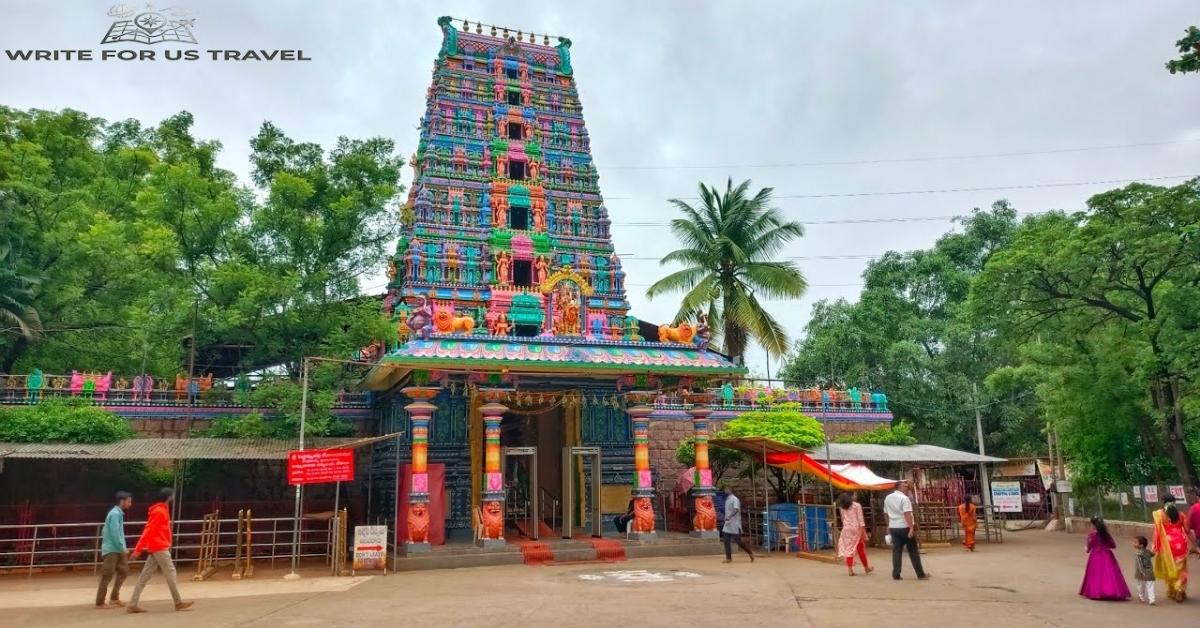
If you’ve ever visited Hyderabad and felt drawn toward a temple that feels less like a religious stop and more like a living, breathing cultural experience, Sri Peddamma Talli Temple in Jubilee Hills is exactly that place. Locals don’t just visit here to pray. They come to feel something. The air around the temple carries the scent of marigolds, camphor, and decades of unwavering devotion.
This isn’t your typical stone-and-gold shrine. It’s a spiritual landmark woven deep into the social fabric of Telangana. Whether you’re a first-time visitor trying to figure out the best time to go, a devotee planning your Bonalu pilgrimage, or simply someone curious about Hyderabad’s rich religious heritage, this guide covers everything you need to know.
Historical and Cultural Significance
Sri Peddamma Talli Temple isn’t just old. It’s storied. Nestled in the heart of Jubilee Hills, this Hyderabad goddess temple has roots that trace back several centuries, long before the area transformed into one of the city’s most upscale neighborhoods. “Peddamma” literally translates to “elder mother” in Telugu, and the name alone tells you how deeply this goddess is revered by the people of Telangana.
Historically, Peddamma Talli is worshipped as a village goddess, a gramadevata, who protects entire communities from disease, misfortune, and harm. This form of Shakti worship predates many mainstream temple traditions in South India. Devotees believe she is a fierce yet compassionate mother figure who responds directly to sincere prayers.
Over generations, the temple grew from a modest local shrine into one of the most famous temples in Telangana. The Telangana Endowments Department now oversees its administration, bringing formal structure while preserving the raw, folk-rooted traditions that make this place unlike any other Durga temple in Hyderabad. The temple’s story isn’t written in Sanskrit alone. It’s written in the sweat, tears, and offerings of millions of ordinary people.
Read More: Sri Matsya Narayana Temple, Chennai – Timings, History, Architecture & Visitor Guide
The Deity and Temple Layout
At the center of everything is the presiding deity herself, Sri Peddamma Talli, a form of Goddess Durga revered as a Telangana Shakti temple icon. The main idol is striking in its vibrancy. The goddess is adorned with bright colors, ornate jewelry, and floral arrangements that are replaced fresh each day. You don’t just see the deity here. You feel her presence.
The temple complex spans a fairly generous area. As you walk in, the layout guides you naturally through smaller shrines dedicated to other deities before you reach the sanctum sanctorum. There’s a sense of deliberate flow to the architecture that encourages devotion rather than rushing. Sub-shrines dedicated to Ganesh, Hanuman, and other regional deities are placed thoughtfully around the compound.
The garba griha, or inner sanctum, is where the energy is most palpable. During peak hours, priests perform continuous rituals while devotees stand in quiet reverence. The space is compact but never feels suffocating. There’s a well-managed crowd flow system in place, especially during festivals. What strikes most first-time visitors is how much spiritual weight this space carries despite its relatively straightforward design.
Bonalu Festival – The Soul of the Temple
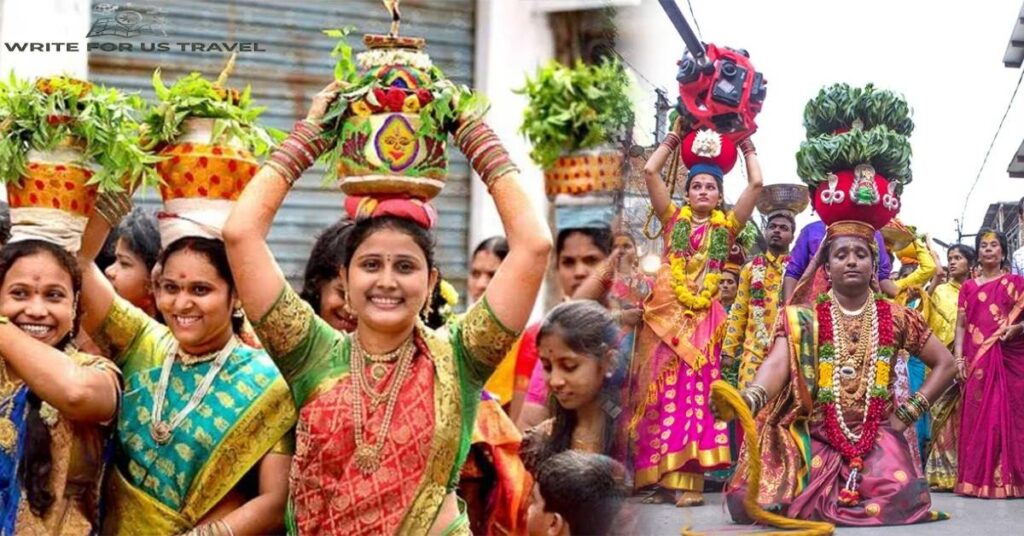
If you want to truly understand Sri Peddamma Talli Temple, you have to experience Bonalu. This is the festival that transforms the temple from a place of quiet worship into an eruption of color, devotion, and raw cultural energy. Bonalu is the single most important festival at this temple, and arguably one of the most significant Bonalu festival Hyderabad celebrations in the entire city.
Celebrated during the Telugu month of Ashadha, usually falling between July and August, Bonalu is an offering ritual rooted in gratitude. Devotees, mostly women, carry pots of cooked rice, jaggery, and curd on their heads as an offering to the goddess. The word “Bonam” itself means a meal offered to the deity. This Bonam offering tradition in Telangana is centuries old and carries deep emotional significance for families who have passed it down through generations.
During Bonalu at Peddamma Temple, the streets leading to Jubilee Hills fill with processions. Women dressed in traditional attire, drummers setting a rhythmic pulse, and the unmistakable smell of camphor and incense create an atmosphere you simply won’t find anywhere else. The temple management puts in enormous effort to handle the millions of devotees who descend on this occasion. If you’re planning a visit during Bonalu, arrive early. Very early.
Mahankali Jatara and Rituals
Alongside Bonalu, the Mahankali Jatara celebrations also hold a prominent place in the temple calendar. While Mahankali Jatara rituals in Hyderabad are primarily associated with the Secunderabad Ujjaini Mahankali Temple, the devotional ecosystem connects deeply with Peddamma Talli worship. Many families observe both, seeing the two goddesses as complementary protectors of the Telangana region.
The special poojas at Peddamma Talli Temple follow a structured daily rhythm. Morning rituals begin with Suprabhatam, waking the goddess with hymns and offerings. This is followed by Abhishekam, where the idol is bathed in milk, honey, and sacred water. Alankaram, or decoration, comes next, where priests adorn the deity with fresh flowers and jewelry. Throughout the day, archana, deep aarti, and prasad distribution continue at regular intervals.
During festive seasons and auspicious occasions like Navratri and Dasara, the temple conducts extended poojas and special homas. These aren’t tourist performances. They are living rituals that devotees have participated in for generations. The priests here carry significant knowledge of Telangana village goddess worship traditions, and watching them work is itself a form of education.
Architectural Highlights
The Peddamma Talli Temple architecture doesn’t follow the towering gopuram style typical of Tamil Nadu temples or the ornate spire tradition of North India. Instead, it reflects a distinctly Telangana sensibility, rooted in local folk aesthetics blended with South Indian temple architecture influences from Hyderabad’s broader heritage.
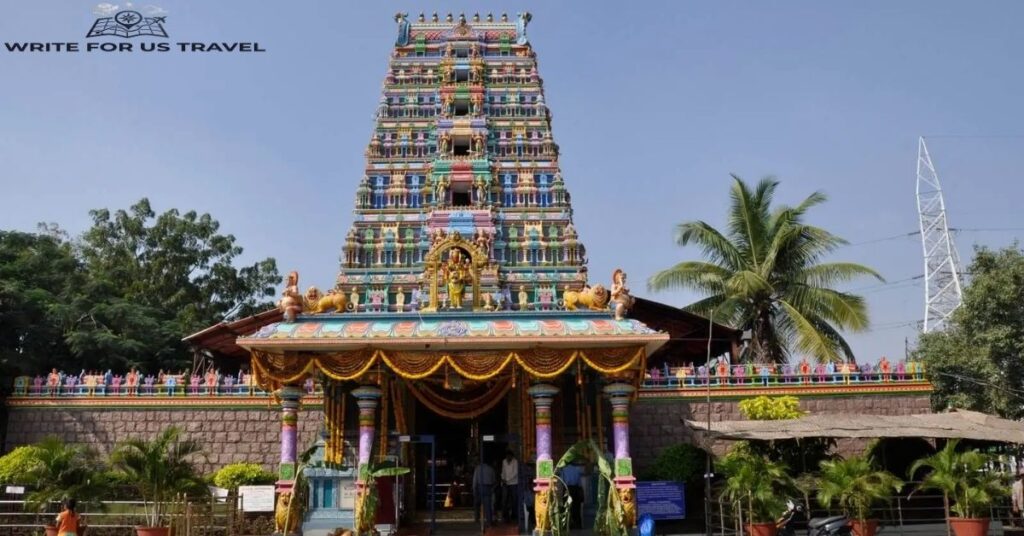
The temple’s entrance is colorful and inviting. Painted sculptures of guardians flank the gateway, and the walls feature murals depicting stories of the goddess. The use of vibrant reds, yellows, and greens in the paintwork gives the temple a visual warmth that feels alive rather than austere. It doesn’t try to be grand. It succeeds at being genuine.
Renovation work over the years has modernized certain facilities while preserving the essential character of the original structure. The main mandapam is airy and open, allowing natural light to filter through. The sanctum is enclosed more tightly, creating a distinct shift in atmosphere as you move deeper into the temple. It’s a design that understands the psychology of pilgrimage without ever making it feel manipulative.
Cleanliness, Facilities, and Devotee Services
One thing that consistently impresses visitors is the level of upkeep. For a temple that receives thousands of devotees on regular days and hundreds of thousands during festivals, the cleanliness standards are genuinely commendable. The Telangana Endowments temples management has put systems in place that keep the premises tidy even during peak congestion.
Facilities available to devotees include clean restrooms, drinking water stations, footwear storage areas, and clearly marked darshan queues. There are also stalls near the temple entrance selling flowers, coconuts, and pooja items if you haven’t brought your own. Prasad distribution is organized and fair, ensuring every devotee receives their share without chaos.
For devotees with mobility challenges, the temple has made accommodations to allow easier access. Annadanam, or free food distribution, is carried out on certain days and during major festivals. This tradition of feeding the community is as old as the temple itself and adds another layer to its identity as a community institution rather than just a place of worship.
Location and Accessibility
The temple sits in Jubilee Hills, one of Hyderabad’s most well-connected neighborhoods. Its address near Road No. 1, Jubilee Hills, makes it easy to locate on any map application. If you’re asking how to reach Peddamma Talli Temple, the answer is refreshingly simple regardless of where you’re coming from.
By road, the temple is accessible from most parts of Hyderabad via the PVNR Expressway and Inner Ring Road. Auto-rickshaws, cabs, and buses all reach Jubilee Hills without difficulty. For those traveling from the airport, the Rajiv Gandhi International Airport to Peddamma Temple distance is roughly 30 to 35 kilometers, which translates to about 45 to 60 minutes depending on traffic.
If you’re using public transport, several TSRTC bus routes stop near Jubilee Hills, and the metro connectivity to nearby stations makes the final stretch manageable. Parking is available in the vicinity, though it fills up fast during weekends and festival seasons. Planning to arrive before 8 AM on busy days will save you considerable frustration.
Ideal Time to Visit
Choosing the best time to visit Peddamma Talli Temple depends on what kind of experience you’re looking for. If you want a peaceful, unhurried darshan with time to absorb the surroundings, early mornings on weekdays are your best bet. The temple opens at dawn and the first couple of hours offer a serenity that completely disappears by mid-morning.
If you want to experience the temple’s full cultural vibrancy, plan your visit around the Bonalu festival in July or August. Be prepared for large crowds, long queues, and an experience that is equal parts spiritual and sensory. Navratri in October is another peak period worth experiencing if you’re a devotee of goddess worship traditions.
Avoid visiting on Sunday afternoons unless you enjoy navigating dense crowds. Tuesdays and Fridays are considered auspicious days for goddess temples across South India, so expect moderate to heavy footfall on those days too. The cooler months between October and February are generally the most comfortable for temple visits in Hyderabad’s climate.
Embracing Modernity with Tradition
What makes Sri Peddamma Talli Temple stand out among Hyderabad religious places is its ability to evolve without losing its soul. In recent years, the temple administration has introduced online darshan booking during festivals, digital queue management systems, and live streaming of major poojas for devotees who cannot visit in person.
These additions haven’t diluted the experience. If anything, they’ve made it more accessible to a wider audience, including the Telugu diaspora spread across the world who tune in for Bonalu livestreams. Social media has also played a role in bringing younger generations closer to traditions their grandparents practiced quietly for decades.
The temple’s management regularly collaborates with local civic bodies to improve road access, crowd management, and sanitation during major events. This kind of institutional partnership reflects a thoughtful approach to balancing the demands of mass pilgrimage with the need to protect the sanctity of the space. It’s tradition meeting pragmatism, and it works well here.
Sri Peddamma Talli Temple – Darshan Timings
Knowing the Peddamma Temple timings before you visit will save you a wasted trip. The temple generally operates on the following schedule:
| Session | Timings |
| Morning Opening | 5:00 AM |
| Morning Darshan | 5:00 AM to 12:00 PM |
| Afternoon Break | 12:00 PM to 4:00 PM |
| Evening Darshan | 4:00 PM to 9:00 PM |
| Temple Closing | 9:00 PM |
During festivals like Bonalu, Navratri, and other major celebrations, the temple often remains open through the night with extended Peddamma Talli darshan timings. It’s always a good idea to verify the current schedule through the official Telangana Endowments Department website or by calling the temple administration before your visit, especially during peak festival periods when schedules shift frequently.
Special poojas like Abhishekam and Archana have separate timing slots and may require prior booking during high-demand periods. Arrive at least 30 minutes before your intended darshan time to account for queues and security checks.
A Center for Culture and Community
Sri Peddamma Talli Temple has never been just a religious destination. It functions as a cultural anchor for the communities of Jubilee Hills and the wider Hyderabad region. Community gatherings, cultural programs, and charitable initiatives are organized regularly within and around the temple premises.
During Bonalu and other festivals, folk performances including Potharaju dances, Dhimsa performances, and traditional music fill the temple surroundings with an energy that connects people to their roots. These aren’t curated performances for tourists. They are organic expressions of a living culture that the temple has always nurtured and protected.
Local artists, artisans selling traditional crafts, and food vendors contributing to the festive atmosphere all form part of the larger ecosystem this temple sustains. For many Hyderabadis, particularly those from Telangana backgrounds, visiting Peddamma Talli during Bonalu is as much about cultural identity as it is about personal devotion. It’s one of those rare spiritual places to visit in Hyderabad where faith, art, community, and history all occupy the same breath.
FAQ’s
What are the daily darshan timings of Sri Peddamma Talli Temple?
The temple is open from 5:00 AM to 12:00 PM in the morning and from 4:00 PM to 9:00 PM in the evening. Timings may extend during festivals and special occasions.
Where exactly is Peddamma Talli Temple located in Hyderabad?
The temple is situated near Road No. 1 in Jubilee Hills, Hyderabad, and is easily accessible by road, auto, cab, or public bus.
Which festival is most celebrated at Peddamma Talli Temple?
Bonalu, celebrated during the Telugu month of Ashadha (July to August), is the most significant and widely celebrated festival at this temple.
Is there a dress code or entry restriction at the temple?
There is no strict dress code, but modest traditional attire is recommended and widely observed by devotees out of respect for the sanctity of the space.
How far is Peddamma Temple from Rajiv Gandhi International Airport?
The temple is approximately 30 to 35 kilometers from the airport, with a travel time of roughly 45 to 60 minutes depending on traffic conditions.

Oliver Bennett is Researcher focused on responsible, experience-led exploration. Having independently planned and completed 40+ trips across Europe and Asia, he provides practical itineraries, transport guidance, and safety insights grounded in firsthand knowledge. His work is supported by verified sources, local expert interviews, and regularly updated travel regulations.