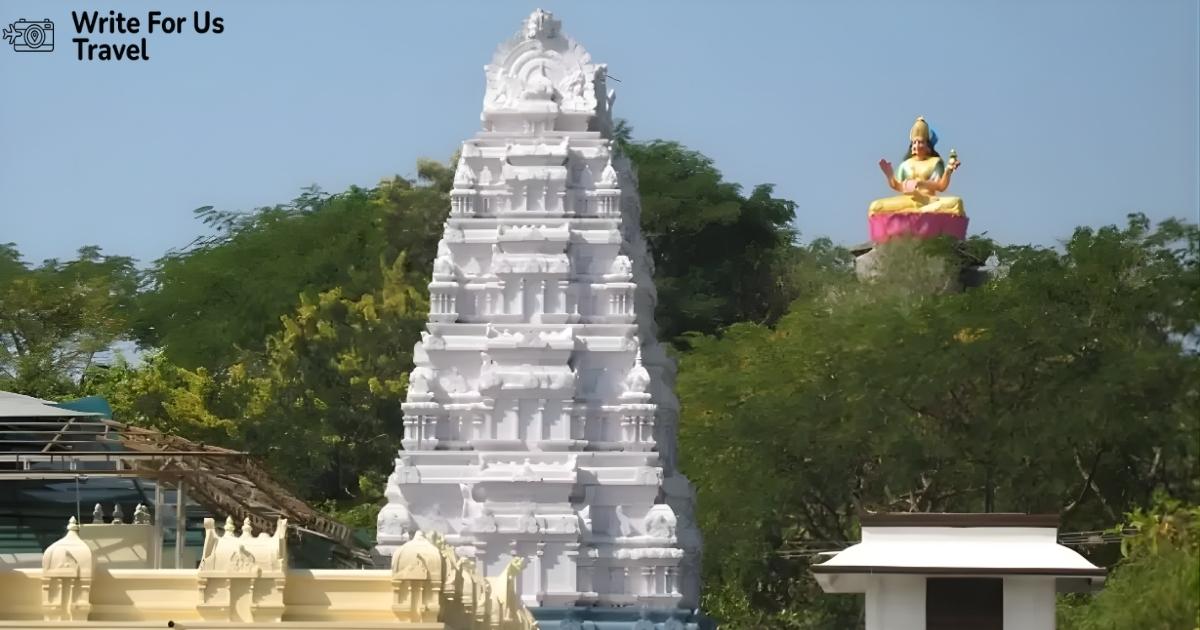
There’s something about Basara that pulls you in before you even arrive. Maybe it’s the stories you’ve heard from your parents or grandparents. Maybe it’s the memory of being carried to this temple as a child for your first writing lesson. Or maybe it’s simply the quiet, magnetic pull of a place where millions have come to seek the blessings of Goddess Saraswati.
Nestled on the banks of the Godavari River in Nirmal District, Telangana, the Gnana Saraswati Temple in Basara is one of only two Saraswati temples of this significance in the entire country. The other is in Kashmir. That alone tells you how special this place is.
Whether you’re a student praying before exams, a parent bringing your toddler for Aksharabhyasam, or simply a devotee seeking peace, Basara temple has something sacred waiting for you. This guide covers everything, from the temple’s ancient legend to its timings, rituals, festivals, and how to get there.
The Divine Legend Behind Basara Temple
Every great temple has a story. This one begins with Vyasa Maharshi, the legendary sage credited with composing the Mahabharata.
According to tradition, after completing the great epic, Vyasa was on a spiritual journey along the Godavari River. Exhausted and seeking a place to meditate, he stopped at this very spot. Each morning, he would collect sand from the riverbank and offer it in worship to three goddesses: Saraswati, Lakshmi, and Kali. He did this every single day, with pure devotion and no elaborate rituals. Just sand. Just sincerity.
It is believed that the idols of the three goddesses were later discovered buried in the very earth where Vyasa had worshiped. The name “Basara” is actually derived from “Vyasara,” a localized version of the sage’s name. Over time, “Vyasara” became “Basara,” and the name stuck.
Later, in the 11th century, King Rajaraja Narendra, a ruler of the Eastern Chalukya dynasty, played a significant role in developing the temple complex. He is credited with formalizing its structure and elevating its status as a pilgrimage site. The connection between this king, the Godavari delta, and the temple adds a rich historical layer that makes Basara more than just a religious site. It’s a living piece of South Indian history.
Read More: Kanchi Kamakshi Temple Timings, Kanchipuram, Details
Architectural Charm and Temple Layout
The Basara temple isn’t trying to compete with the towering gopurams of Tirupati or the sprawling corridors of Madurai. And that’s precisely its charm.
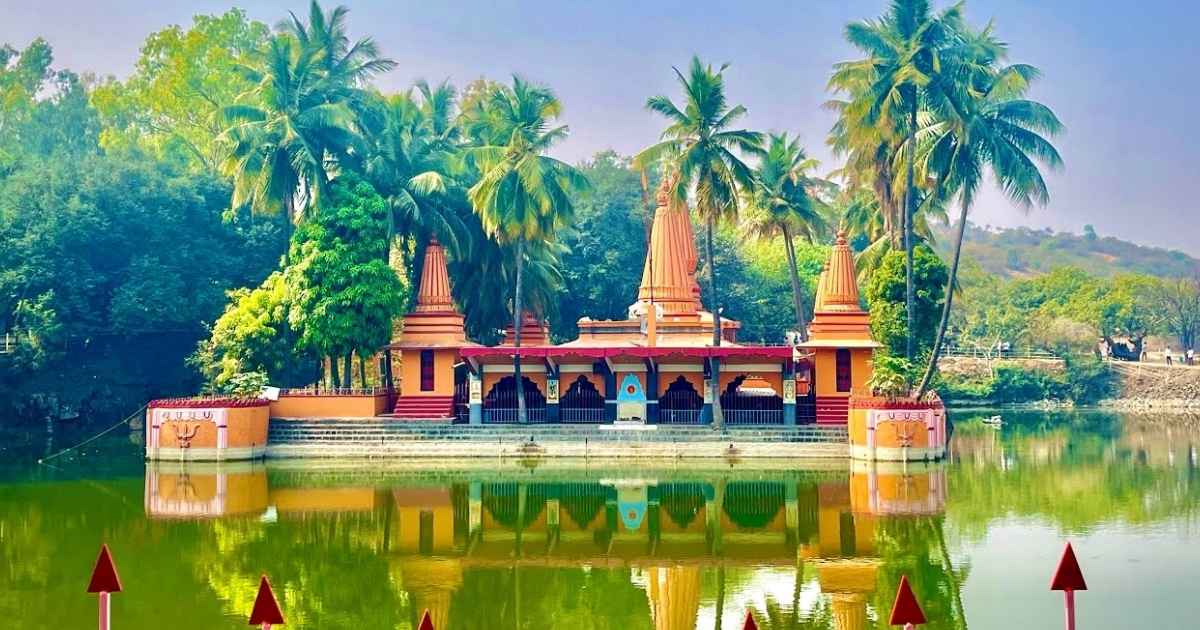
The architecture here is understated but deeply intentional. Built in a style that reflects the regional traditions of Telangana, the temple complex is compact yet complete. The main sanctum houses the idol of Goddess Saraswati, depicted in her radiant form. Flanking her are Goddess Lakshmi and Goddess Kali, completing the divine trinity that Vyasa once worshipped with handfuls of river sand.
The temple sits right along the Godavari, and that setting adds something no architect can design. The gentle sound of flowing water, the open sky, the stone pathways cooled by river breeze. It creates an atmosphere that feels both sacred and calming.
Within the complex, you’ll also find a Gnana Saraswati tank, bathing ghats where devotees take a holy dip before darshan, and several smaller shrines. The entire layout encourages you to slow down. There’s no rush here. The temple gently guides you through each step of the visit.
A Temple Beloved by Students and Families
Ask any student in Telangana or Andhra Pradesh where they prayed before their board exams. There’s a good chance Basara comes up.
Goddess Saraswati is the deity of knowledge, wisdom, learning, and the arts. And in a country where education carries enormous emotional weight for families, a Saraswati temple for students India-wide can barely match the reverence that Basara commands in this region.
Parents bring their young children here for Aksharabhyasam, the sacred ceremony where a child writes their first letters. Students visit before major exams. Teachers offer prayers for clarity and wisdom. Artists seek inspiration. The devotees here aren’t just seeking miracles. They’re asking for focus, for discipline, for the courage to learn.
That emotional connection makes the Basara temple darshan guide something more than just a tourist checklist. It’s a ritual. A tradition passed down through families across generations.
The temple also maintains a well-organized system for handling large crowds, especially during festivals, which can draw hundreds of thousands of visitors over just a few days. Amenities like waiting halls, clean drinking water stations, and queue management have improved significantly over the years.
Rituals and Daily Poojas
The daily rhythm of Basara temple is anchored by a series of rituals that have been performed here for centuries. Each pooja has its own timing, purpose, and energy.
The temple opens early in the morning, with the first ritual of the day being Suprabhatam, a devotional awakening of the goddess. This is followed by Abhishekam, a ceremonial bathing of the idol with milk, water, turmeric, and other sacred substances. Watching Abhishekam is an experience in itself. The calm, deliberate movements of the priests. The fragrance of flowers and incense. The quiet chanting that fills the sanctum.
Kumkumarchana is another popular offering here. Devotees offer kumkum to the goddess as a mark of reverence and seek her blessings for prosperity and knowledge. This ritual is especially popular among women and families.
Throughout the day, Basara temple pooja rituals continue at regular intervals, including Archana, Ashtottaram (recitation of 108 names), and Sahasranamam (recitation of 1000 names). Evening brings Deeparadhana, where lamps are lit in a breathtaking display of light and devotion.
Special poojas can be booked in advance, and the temple authorities maintain transparency around offerings and their costs. This trustworthiness has only added to the temple’s credibility over the decades.
The Sacred Aksharabhyasam Ceremony
If there is one ritual that defines Basara above all others, it is Aksharabhyasam.
The word itself means “initiation into letters.” And in Telugu and broader South Indian tradition, this ceremony marks the moment a young child first writes. It’s typically performed when the child is between two and five years old. A priest guides the child’s hand as they trace letters in a tray of rice or on a slate, invoking the goddess’s blessings for a lifetime of learning.
For parents, it’s an intensely emotional moment. For children, it’s the beginning of an educational journey that the goddess herself is said to bless. And doing it at Basara, the most revered Saraswati temple in Telangana, carries a weight of tradition that no local ceremony can quite replicate.
Basar temple Aksharabhyasam booking can be done online through the official temple portal or at the counter on arrival. Given the enormous demand, especially on auspicious days like Vasant Panchami and Vijayadasami, advance booking is strongly recommended. Crowds on these days can be overwhelming, and waiting times run into several hours without prior reservation.
The ceremony itself takes place within the temple premises under the guidance of trained priests. It’s well-organized, reverent, and genuinely moving to witness.
Festivals Celebrated at Basara Temple
Basara temple comes alive during its festivals. The energy, the devotion, and the sheer number of pilgrims during these times transform the entire town. Here’s a closer look at the major celebrations.
Vasant Panchami
Vasant Panchami is perhaps the most important festival at Basara. Celebrated in late January or February, this day is dedicated entirely to Goddess Saraswati. Students flock here in enormous numbers, seeking blessings before the academic season ramps up. The temple is adorned with yellow flowers, symbolizing the arrival of spring and the goddess’s radiance. Aksharabhyasam ceremonies are performed in large numbers on this day, making it one of the busiest days of the entire year.
Navratri
Navratri at Basara is a nine-night celebration that draws pilgrims from across Telangana, Andhra Pradesh, Maharashtra, and beyond. Special poojas, cultural programs, and elaborate decorations mark each of the nine days. The temple glows with lights, and the air fills with devotional music. It’s one of those experiences that stays with you long after you’ve returned home.
Devi Navaratri and Sharad Purnima
During Devi Navaratri, each of the nine nights is dedicated to a different form of the goddess. Sharad Purnima, the full moon night that often falls during or near Navratri, holds special significance here. The moonlight reflecting off the Godavari, the lamps lit around the temple complex, and the sound of devotional singing create an atmosphere that’s almost otherworldly.
Balipadyami, Diwali, and Makar Sankranti
The festival calendar at Basara doesn’t pause after Navratri. Balipadyami (the day after Diwali) is celebrated with fervor here, as is Diwali itself. Makar Sankranti in January brings another wave of pilgrims, with special rituals marking the harvest season and the transition of the sun into Capricorn. Each festival brings its own flavor, its own crowd, and its own energy to the temple town.
Best Time to Visit Basara Temple
The honest answer? Avoid peak festival seasons if you want a peaceful darshan. But if you want the full Basara experience, visit during Vasant Panchami or Navratri, crowds and all.
For a calmer visit, the best time to visit Basara temple is between October and February. The weather is cooler, the crowds are manageable outside of festival days, and the Godavari river is at a beautiful level. Mornings are ideal, both for the cooler temperature and for the first poojas of the day, which carry a special stillness.
Summers in Basara can be harsh, with temperatures climbing well above 40°C. If you’re visiting in summer, early morning darshan is a must. Avoid midday. The heat near the stone temple floors and open courtyards can be brutal.
Monsoon adds a lush, dramatic quality to the landscape, and the swollen Godavari looks majestic. However, heavy rains can occasionally disrupt travel and access. Plan with flexibility if you’re visiting between July and September.
How to Reach Basara Temple
Basara is well connected for a town of its size, and getting here has become considerably easier over the years.
By Train: The most popular route for pilgrims. Basar Railway Station sits right in the town, with direct or connecting trains from Hyderabad, Secunderabad, Nizamabad, and several other major cities. Trains on the Parbhani-Mudkhed line stop here regularly.
By Road: Basara is around 200 km from Hyderabad. State-run TSRTC buses operate routes to Basara from Hyderabad, Nizamabad, Nanded, and nearby towns. Private taxis and cabs are also available for those who prefer a direct ride.
By Air: The nearest major airport is Rajiv Gandhi International Airport in Hyderabad. From there, you can hire a cab or take a bus to Basara. The journey by road takes roughly 4 to 5 hours depending on traffic and route.
The town itself is walkable from the railway station to the temple. Auto-rickshaws and local taxis are available for those arriving by road.
Temple Timings
Planning your visit around the correct timings makes a real difference to your darshan experience. Here’s what you need to know.
Morning session: The temple opens at 5:00 AM for the first pooja of the day. Darshan for general devotees typically begins around 6:00 AM.
Afternoon break: The temple closes for a mid-day break between approximately 1:00 PM and 2:00 PM. This timing can vary slightly during festivals and special occasions.
Evening session: Darshan resumes from 2:00 PM and continues until around 8:00 PM. Evening Deeparadhana is performed close to closing time and is a highlight for many visitors.
On festival days, timings are extended and the temple often stays open well past the usual hours to accommodate the surge in pilgrims. It’s always wise to check the official Basara temple website or contact the temple trust directly before your visit, especially during Navratri, Vasant Panchami, and other major occasions.
Dress code is expected. Traditional or modest attire is appropriate. Men typically wear dhotis or lungis for the main darshan, though this is not always enforced strictly. Footwear must be removed before entering the premises.
Nearby Places to Visit
While Basara is the main draw, the surrounding region has several places worth exploring.
Mudhole Fort, located about 30 km away, is a historical site with ruins that speak to the medieval history of the Deccan. Nirmal town, the district headquarters, is known for its lacquerware and has a few noteworthy temples and historical spots.
The Godavari river itself offers scenic spots for those who enjoy sitting by the water and reflecting. Early mornings on the ghats are especially peaceful.
Nizamabad, roughly 90 km from Basara, is the nearest major city with comfortable hotels, shopping, and connectivity. Many pilgrims use it as a base, especially during heavy festival seasons when accommodation in Basara fills up quickly.
If you’re traveling with children or first-time pilgrims, combining the Basara visit with a stop at the Pocharam Wildlife Sanctuary (around 100 km away) makes for a well-rounded trip.
FAQs
What are the darshan timings at Basara Saraswati temple?
The temple opens at 5:00 AM and closes around 8:00 PM, with a midday break between 1:00 PM and 2:00 PM. Timings may extend during major festivals.
How do I book Aksharabhyasam at Basara temple?
You can book Aksharabhyasam online through the official temple portal or at the counter upon arrival. Advance booking is strongly recommended during Vasant Panchami and Vijayadasami.
Is Basara temple accessible by train?
Yes. Basar Railway Station is located within the town and has regular trains from Hyderabad, Nizamabad, and other cities on the Parbhani-Mudkhed rail line.
What is the significance of the Basara temple for students?
Basara is one of the most revered Saraswati temples in India. Students visit to seek blessings for academic success, and the Aksharabhyasam ceremony here is considered especially auspicious for young children beginning their education.
What is the nearest airport to Basara temple?
Rajiv Gandhi International Airport in Hyderabad is the nearest major airport, located approximately 200 km from Basara. From there, road and rail options are available.

Oliver Bennett is Researcher focused on responsible, experience-led exploration. Having independently planned and completed 40+ trips across Europe and Asia, he provides practical itineraries, transport guidance, and safety insights grounded in firsthand knowledge. His work is supported by verified sources, local expert interviews, and regularly updated travel regulations.