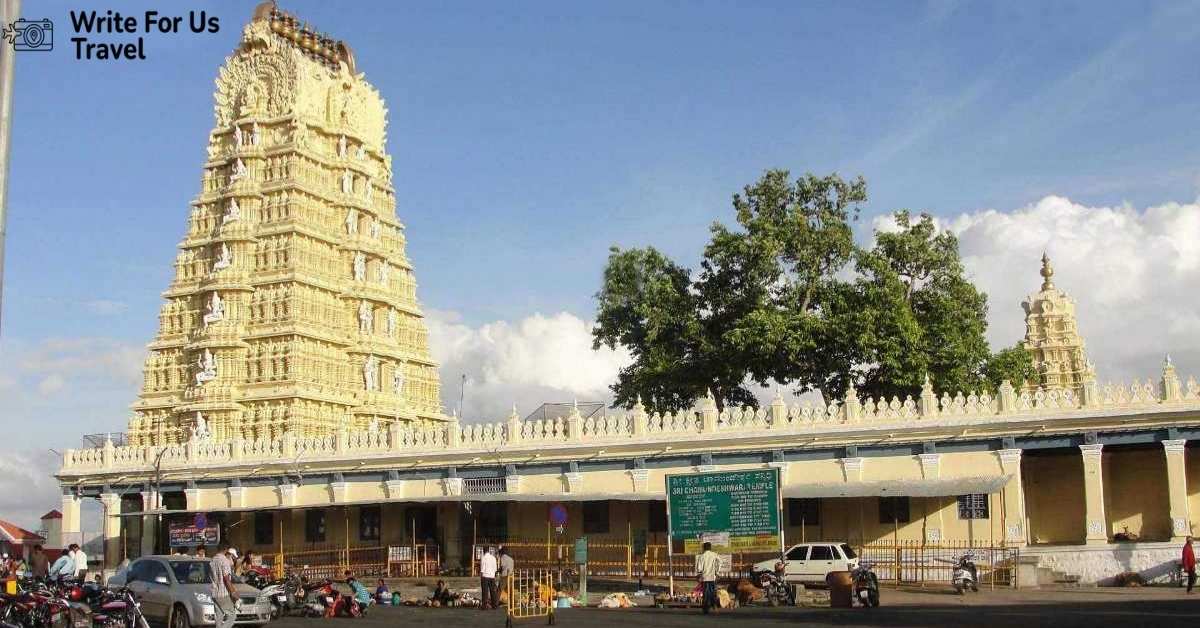
Perched high above the city of Mysore, the Chamundeshwari Temple is one of those places that stays with you long after you’ve left. The moment you look up at Chamundi Hills from the streets below, you feel something shift. It’s not just a temple. It’s a living piece of history, devotion, and natural beauty rolled into one.
Whether you’re a pilgrim seeking blessings or a traveler chasing heritage, this hilltop shrine has something deeply real to offer. Let’s walk through everything you need to know before you visit.
Who is Goddess Chamundeshwari?
Chamundeshwari is the fierce and powerful form of Goddess Durga, revered across Karnataka as a guardian deity. She is celebrated as Mahishasura Mardini, the slayer of the buffalo demon Mahishasura. According to ancient lore, this very hill was the battlefield where she defeated him.
The goddess holds enormous significance in the Shakti tradition. She is worshipped as the presiding deity of Mysuru, and the royal family of the Wodeyar Dynasty considered her their kula devata, meaning their family goddess. Even today, the spirit of that devotion is very much alive.
Historical Significance
The history of this temple stretches back over a thousand years. Inscriptions and historical records trace its origins to around the 12th century, during the time of the Hoysala Dynasty. However, its growth and prominence accelerated significantly under the Vijayanagara Empire.
The Wodeyar rulers, especially Krishnaraja Wodeyar III, made substantial contributions to expanding the temple complex. They built new gopurams, added mandapas, and ensured the shrine was maintained as a royal site of worship. Over centuries, this temple transformed from a modest hilltop shrine into the grand structure you see today.
The Mysore Shakti Peetha temple status adds another layer of religious weight. Chamundeshwari is believed to be one of the powerful Shakti shrines in South India, drawing devotees from across the country.
Read More: Sri Varaha Lakshmi Narasimha Temple, Simhachalam – Timings, Info
Temple Architecture
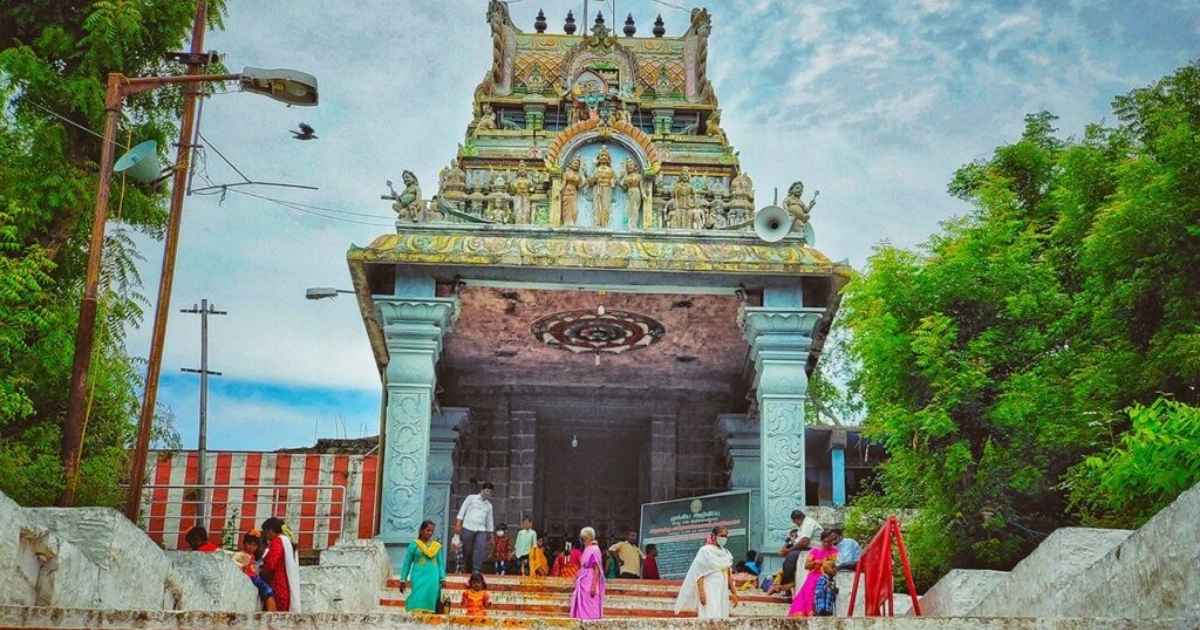
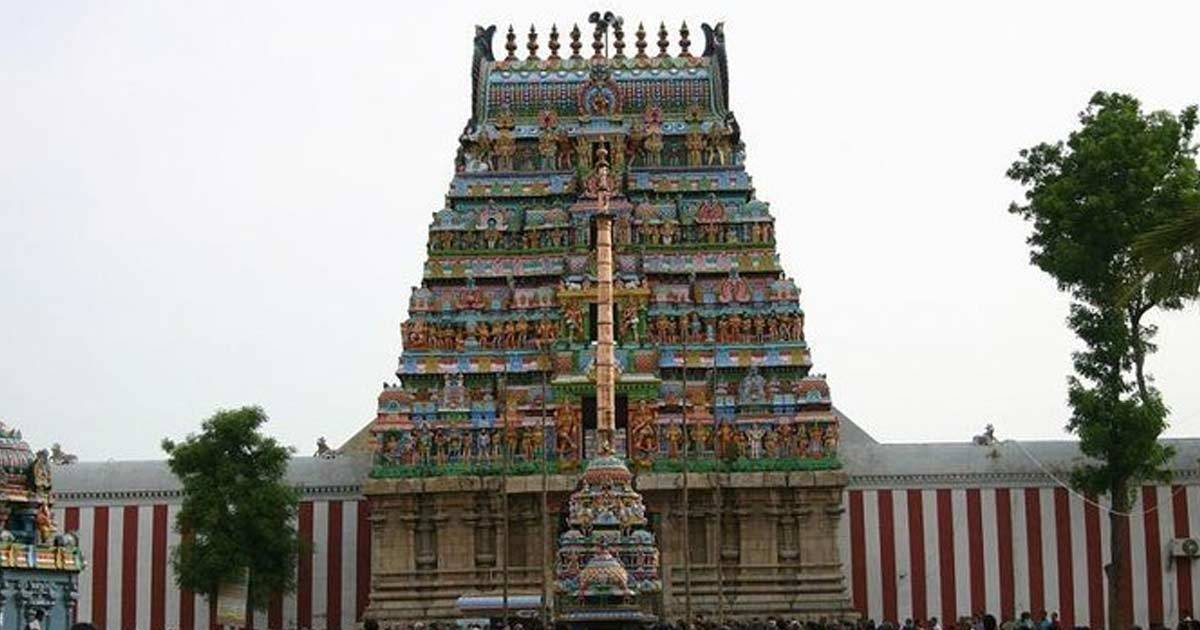
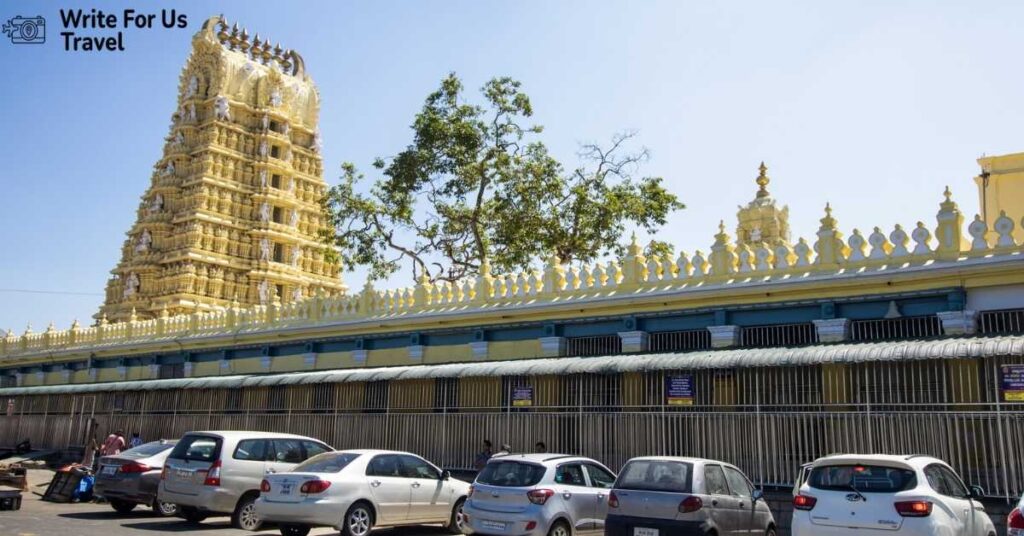
The Chamundeshwari temple architecture is a stunning example of Dravidian Architecture. The seven-story gopuram, soaring about 40 meters high, is the first thing that catches your eye. It’s covered in intricate carvings of deities, celestial beings, and mythological scenes.
The main shrine houses the idol of Goddess Chamundeshwari, adorned in gold and precious gems. The inner sanctum is richly decorated, and during special occasions, the goddess is dressed in elaborate attire that adds to the visual grandeur.
Inside the temple complex, you’ll also find smaller shrines dedicated to Lord Maheshwara and other deities. The craftsmanship throughout reflects centuries of devoted artistry. It’s the kind of place where you stop mid-step just to look up and take it all in.
Scenic Location on Chamundi Hills
Chamundi Hills rises about 1,065 meters above sea level, right on the outskirts of Mysore. The views from the top are genuinely breathtaking. On a clear day, you can see the Mysore Palace gleaming in the distance, and Karanji Lake shimmering like a mirror below.
The Chamundi Hills pilgrimage site attracts both spiritual seekers and weekend tourists. The drive up is scenic, winding through lush greenery and rocky terrain. Midway on the path, you’ll encounter the massive Nandi statue, a 5-meter-tall monolithic bull carved in the 17th century. It’s one of the largest Nandi statues in India and absolutely worth a stop.
For those who prefer the old-school experience, there are 1008 steps leading up the hill. Walking them is considered an act of devotion. It’s a workout and a spiritual journey at the same time.
Chamundeshwari Temple Timings
Planning your visit around the timings makes a real difference. Here’s a clear breakdown:
Morning session: 7:30 AM to 2:00 PM
Evening session: 3:30 PM to 6:00 PM
Night session: 7:30 PM to 9:00 PM
The temple opens daily, including weekends and public holidays. However, on major festival days like Navaratri, the Chamundeshwari temple darshan timings may be extended to accommodate the large number of devotees. It’s always a good idea to check current timings before you head out, especially during festive seasons.
Early mornings are generally less crowded and more peaceful. If you want a calm, unhurried darshan, get there before 9 AM.
Major Festivals Celebrated
Navaratri (Dasara)
Navaratri at Chamundeshwari Temple is something else entirely. The whole city of Mysore comes alive during this ten-day festival. The goddess is dressed in different avatars each day, and thousands of devotees climb the hill to seek her blessings. The Chamundeshwari temple festival Navaratri is deeply linked to the famous Mysore Dasara celebrations, recognized as one of the grandest in India. The hill glitters with lights, the air smells of incense and flowers, and the energy is simply electric.
Chamundi Jayanthi
Chamundi Jayanthi marks the birth anniversary of the goddess. It’s celebrated with great devotion and includes special pujas, processions, and cultural programs. Devotees observe fasts and offer elaborate prayers. If you happen to be in Mysore during this time, attending the celebrations is an experience you won’t forget.
How to Reach Chamundeshwari Temple
Getting here is pretty straightforward, no matter where you’re coming from.
By Train:
The nearest railway station is Mysore Junction, well connected to cities like Bangalore, Chennai, and Coimbatore. From the station, you can hire an auto or taxi to reach Chamundi Hills in about 20 to 30 minutes.
By Air:
Mysore Airport handles limited flights, but Kempegowda International Airport in Bangalore is the most practical option. It’s roughly 150 km away. From Bangalore, you can take a bus, train, or cab to Mysore.
By Road:
Mysore is extremely well connected by road. KSRTC buses run regularly from Bangalore, and the journey takes about 3 hours. Private taxis and cabs are also widely available. Once in Mysore, local buses and auto-rickshaws can take you directly to Chamundi Hills.
Nearby Restaurants
After a long climb or darshan, you’ll definitely want to eat. The area around Chamundi Hills has several decent options.
Mylari Hotel in Mysore city is famous for its dosas and is a local favorite. RRR Restaurant is known for traditional South Indian meals served on banana leaves. The Lalitha Mahal Palace Hotel, not far from the base of the hill, offers a more premium dining experience if you’re in the mood to splurge. Near the temple entrance, small food stalls serve hot tea, vada, and snacks, perfect for a quick bite after darshan.
Nearby Hotels
Mysore has plenty of accommodation options to suit different budgets.
For budget travelers, Hotel Dasaprakash and Pai Vista offer clean, comfortable rooms at reasonable rates. Mid-range visitors can check out The Windflower Resort or Fortune JP Palace. If luxury is what you’re after, Radisson Blu Plaza Hotel and Lalitha Mahal Palace Hotel deliver top-class stays with great views of the city.
Booking in advance is strongly recommended during Navaratri season, as hotels fill up quickly.
Travel Tips for Visitors
Go early. The temple gets very crowded by mid-morning, and the queue can be long. Getting there by 7:30 AM gives you a much calmer experience.
Dress modestly. Traditional or simple clothing is appropriate. Avoid shorts and sleeveless tops out of respect for the sanctity of the space.
Remove footwear before entering the temple premises. There are designated areas to leave your shoes.
Carry a water bottle. Especially if you plan to climb the 1008 steps. It’s a solid 45-minute to 1-hour climb depending on your pace.
Photography is allowed outside the main shrine but usually restricted inside. Confirm with temple authorities when you arrive.
Keep your valuables secure. Like any busy pilgrimage site, it’s smart to stay cautious in crowded areas.
If you’re visiting on a weekday, you’ll enjoy a quieter atmosphere. Weekends bring more tourists, which can make the route to the top a bit hectic.

Oliver Bennett is Researcher focused on responsible, experience-led exploration. Having independently planned and completed 40+ trips across Europe and Asia, he provides practical itineraries, transport guidance, and safety insights grounded in firsthand knowledge. His work is supported by verified sources, local expert interviews, and regularly updated travel regulations.