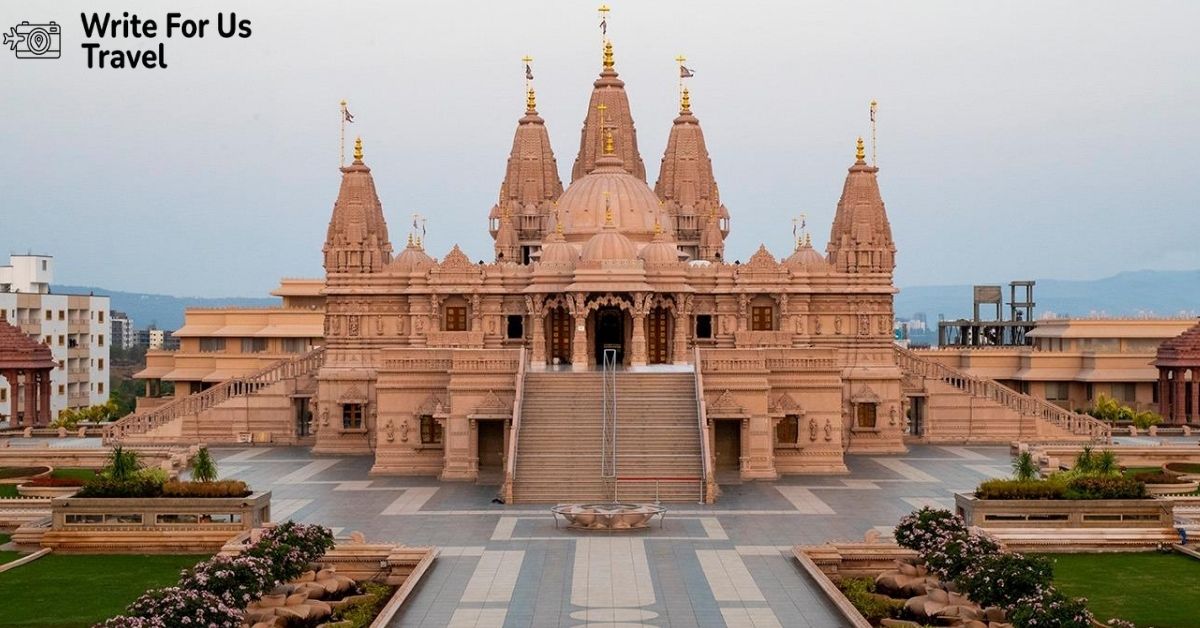
If you’ve ever walked into a space and felt an instant calm wash over you, you’ll understand what visitors describe when they first step inside the BAPS Shri Swaminarayan Mandir in Pune. It isn’t just a temple. It’s a living, breathing center of devotion, art, and community that quietly earns its place among Pune’s most meaningful spiritual landmarks. Whether you’re planning a visit, researching the history, or simply curious about what makes this mandir stand out, this guide covers everything you need to know before you go.
History and Foundation of the Mandir
The story of this mandir begins with a vision far bigger than bricks and mortar. BAPS, which stands for Bochasanwasi Akshar Purushottam Sanstha, is a global Hindu spiritual organization rooted in the teachings of Bhagwan Swaminarayan, who was born in 1781 in Chhapaiya, India. His philosophy centered on personal morality, devotion to God, and selfless service to humanity. These principles didn’t stay confined to Gujarat. They traveled, took root, and eventually blossomed into hundreds of mandirs across the world.
The Pune mandir was established as part of BAPS’s broader mission to create spaces where people could connect with their spiritual selves, regardless of caste, background, or age. Pune, being one of Maharashtra’s most culturally vibrant cities, was a natural home for such a center. Over the years, it has evolved from a place of worship into a full-fledged cultural and community hub that serves thousands of devotees and curious visitors alike.
What makes the founding story particularly interesting is how closely the construction and functioning of every BAPS mandir mirrors the original teachings of Swaminarayan himself. Nothing is arbitrary. From the choice of stone to the placement of deities, every decision carries theological weight.
Read More: Sri Peddamma Temple Timings, Hyderabad – Rituals, Info
Architectural Beauty and Unique Stone Carvings
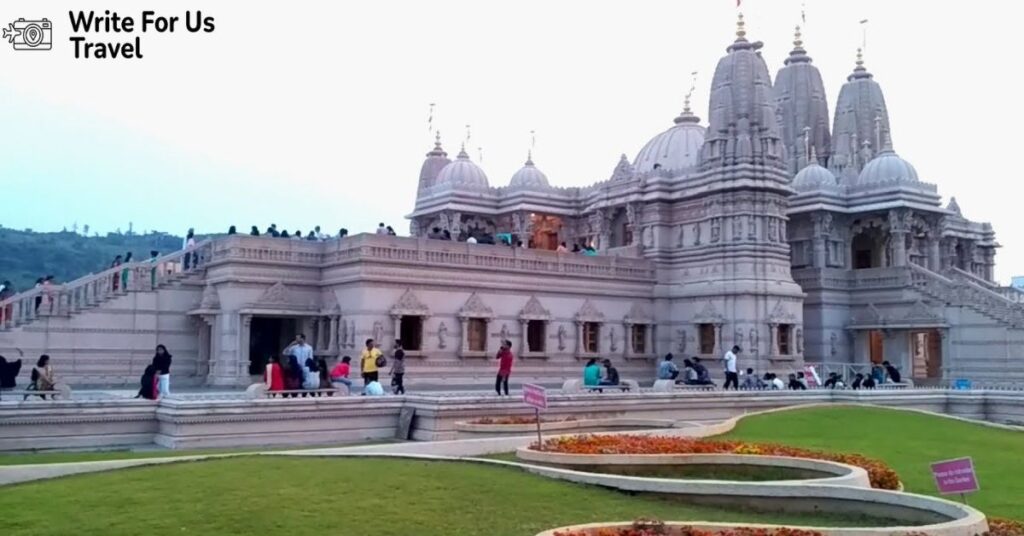
If architecture could tell a story, this mandir’s walls would narrate centuries of devotion. The Swaminarayan Mandir Pune is built in the Southern Shilpa Shaili style, a classical Indian architectural tradition that dates back thousands of years and draws from ancient texts called the Shilpashastras. This style is immediately recognizable by its layered shikhara towers, ornate pillared halls, and a symmetry that feels almost mathematical in its precision.
The stone used throughout the structure is pink sandstone, quarried and transported from Rajasthan. It carries a warm, rosy hue that shifts subtly with the angle of sunlight. In the morning, it glows golden. At dusk, it deepens into amber. It’s genuinely one of those sights you can’t fully appreciate in photographs.
What truly sets this mandir apart is the hand-carved sculptures that cover nearly every surface. These aren’t mass-produced decorations. Skilled artisans, trained in traditional methods passed down through generations, spent painstaking hours carving intricate floral motifs, celestial figures, and narrative scenes from Hindu scriptures directly into the stone. Run your eyes slowly across any pillar and you’ll find yourself lost in detail. Peacocks mid-dance. Lotus blooms unfolding. Divine figures caught in graceful poses.
The interior continues this commitment to craftsmanship. Marble floors, carved wooden doors, and softly lit sanctums create an atmosphere that encourages stillness. Even visitors who don’t follow the faith often find themselves slowing down, looking more carefully, breathing differently.
Main Deities Worshipped in the Temple
At the heart of any BAPS mandir are the deities, and Pune’s mandir is no exception. The primary shrines house Bhagwan Swaminarayan alongside Akshar and other divine forms central to the BAPS tradition of worship. Each deity is dressed in fresh garments daily, adorned with flowers, and attended to through a series of ritual offerings that follow a precise schedule from before sunrise to after sunset.
The Radha Krishna idol holds a place of particular reverence here. Radha and Krishna together represent the purest form of devotion and divine love in Hindu theology, and the shrine dedicated to them draws a steady stream of worshippers throughout the day.
One of the most spiritually significant rituals performed at the mandir is the Nilkanth Varni Abhishek, a ceremonial bathing ritual honoring the young Nilkanth Varni, the childhood form of Bhagwan Swaminarayan during his years of intense spiritual penance. Devotees participate in this ritual with deep reverence, and witnessing it is a profound experience even for those unfamiliar with its theological context.
Each deity’s shrine is designed to reflect their divine qualities. The lighting, the flowers, the positioning — all of it is intentional and rooted in scriptural tradition.
Spiritual and Cultural Significance of the Mandir
Beyond its religious identity, the BAPS Mandir in Pune carries tremendous cultural weight. It functions as a BAPS cultural center in every meaningful sense of the term. It runs educational programs for children, youth camps focused on values and character development, and regular satsang sessions where participants explore spiritual texts together.
The spiritual significance of Swaminarayan Mandir extends into the daily lives of its community. For many Pune residents, the mandir isn’t a weekend destination. It’s a weekly anchor. Families return not just for prayers but for the sense of belonging that comes from sharing a tradition with others.
Community service at BAPS is another pillar that deserves recognition. Volunteers here don’t just show up for festivals. They run blood donation drives, environmental awareness initiatives, and relief efforts during natural disasters. This isn’t PR. It’s embedded in the original philosophy of Swaminarayan himself, who taught that service to humanity is service to God.
The mandir also houses an Aksharpith bookstore in Pune where visitors can browse publications covering spirituality, philosophy, yoga, and the life of Bhagwan Swaminarayan. These aren’t just books for devotees. Many are thoughtful reads for anyone curious about Hindu thought.
Temple Timings, Entry Rules, and Dress Code
Planning your visit starts with knowing when the mandir is open. General timings are roughly as follows, though it’s always a good idea to confirm directly with the mandir before visiting, as hours can change during festivals or special events.
Morning session: 6:00 AM to 12:00 PM Evening session: 4:00 PM to 8:30 PM
Evening aarti timings at BAPS Mandir are particularly popular. The aarti is a ritual of light, accompanied by devotional singing, that creates an incredibly moving atmosphere. If you can time your visit to coincide with it, do.
Entry to the mandir is free. Yes, completely free. There’s no ticket counter, no donation demand at the gate. This is a free entry Hindu temple in Pune in the truest sense.
On the question of what to wear in Swaminarayan Mandir, the guidelines are straightforward. Modest dress is the expectation. Covered shoulders and knees are ideal. Avoid sleeveless tops, shorts, or anything that might be considered casual or revealing. This isn’t about strict enforcement. It’s about respecting a space that holds deep meaning for many people.
Footwear rules inside the sanctum are non-negotiable. Shoes and sandals must be removed before entering the main prayer hall. Racks are provided near the entrance. This is standard across Hindu temples and carries both practical and symbolic significance — you’re leaving the outside world at the door.
Photography inside the inner sanctum is generally not permitted. The outer areas and gardens are often fine for photos, but always check the signage and ask staff if you’re unsure.
Festivals Celebrated at the Mandir
If you want to see the mandir at its most alive, come during a festival. The BAPS Pune mandir transforms during celebrations in ways that are genuinely spectacular.
Diwali festival celebrations here are among the most anticipated events in Pune’s spiritual calendar. The mandir is lit with thousands of lamps and decorative lights, and the atmosphere feels like something out of a painting. Special prayers, cultural performances, and community gatherings make it a full-day experience.
Visiting BAPS Mandir during Diwali means arriving early and staying patient with the crowds. It’s worth every bit of the effort.
Janmashtami temple events are another highlight. Marking the birth of Lord Krishna at midnight, Janmashtami at this mandir draws large crowds who come for the midnight prayers, devotional music, and the profound sense of shared celebration. The energy is electric.
Other festivals observed here include Ram Navami, Holi, Swaminarayan Jayanti, and Guru Purnima. Each one brings its own flavor of devotion and community festivity. The mandir publishes an annual events calendar, and checking it before your trip can help you plan around something meaningful.
Visitor Experience and Facilities Available
The mandir is genuinely welcoming to first-time visitors and non-devotees. Nobody will quiz you at the entrance. You’re free to walk through, observe, sit quietly, and soak in the surroundings at your own pace.
The vegetarian canteen facilities on-site deserve a special mention. The food here is simple, clean, and made with real care. Think wholesome dal, rice, sabzi, and roti. Not a restaurant meal, but deeply satisfying. Many visitors say the prasad and canteen meals stay with them long after the visit.
Temple gardens and meditation areas provide the kind of quiet you rarely find in a city. Green, well-maintained, and peaceful — these spaces are ideal for sitting still and letting your thoughts settle. Whether you meditate regularly or just need a break from urban noise, these gardens offer real restoration.
BAPS Pune volunteer opportunities are available for those who feel drawn to contribute more actively. The mandir welcomes volunteers for events, maintenance, and community programs. If you visit and feel moved to give back, ask at the reception.
Drinking water, restrooms, and seating areas are all available on the premises. The mandir is also reasonably accessible for elderly visitors and those with mobility considerations.
How to Reach Swaminarayan Mandir Pune
How to reach BAPS Mandir Pune is one of the most searched questions about this destination, and the answer is fairly simple. The mandir is located in a well-connected part of Pune, accessible by multiple modes of transport.
By auto-rickshaw or cab: The most convenient option. Rideshare apps like Ola and Uber work well here, and the mandir’s address is easily searchable.
By bus: PMPML buses connect many parts of Pune to the area. Check local routes based on your starting point.
By private vehicle: Parking facilities near BAPS Mandir are available on-site or nearby. Arrive a little early during festivals when parking fills up quickly.
The nearest landmarks and the exact address can be confirmed via Google Maps by searching “BAPS Shri Swaminarayan Mandir Pune.” The map listing is regularly updated and includes reviews, photos, and directions from major city points.
Best Time to Visit and Helpful Travel Tips
The best time to visit BAPS temple is either early morning or late afternoon. Early mornings, roughly between 6:30 and 9:00 AM, offer a serene, unhurried experience. The mandir is quieter, the light is beautiful, and you can spend time in the gardens without feeling rushed.
Late afternoons, especially around the evening aarti, bring more energy and community presence. Both have their own appeal.
Weekdays are considerably quieter than weekends. If you want a contemplative experience, plan for a Tuesday or Wednesday morning.
During major festivals, expect larger crowds and adjust your timing accordingly. The mandir handles crowds gracefully but arriving early is always wise.
A few practical tips worth keeping in mind. Carry a light shawl or dupatta if you’re unsure about your clothing choicei, t solves any dress code concern instantly. Keep your phone on silent once you enter. Speak softly. Move slowly. The mandir rewards attentiveness.
Finally, leave yourself more time than you think you’ll need. Most visitors say they spent far longer than planned. That’s not a complaint. It’s a testament to how genuinely absorbing the place is.
FAQ’s
What are the visiting hours for BAPS Shri Swaminarayan Mandir Pune?
The mandir is generally open from 6:00 AM to 12:00 PM in the morning and 4:00 PM to 8:30 PM in the evening. Timings may vary during festivals, so it’s wise to confirm before visiting.
Is there an entry fee to visit the mandir?
No, entry to the BAPS Shri Swaminarayan Mandir Pune is completely free of charge for all visitors.
What should I wear when visiting the mandir?
Modest clothing is expected. Cover your shoulders and knees, and remove footwear before entering the sanctum. Avoid shorts, sleeveless tops, or revealing attire.
Can non-Hindus visit the mandir?
Absolutely. The mandir welcomes visitors of all backgrounds and faiths. Respectful behavior and appropriate dress are the only requirements.
Is photography allowed inside the mandir?
Photography is generally not permitted inside the main sanctum. The outer gardens and certain areas may allow it. Always check the posted guidelines or ask a volunteer before clicking.

Oliver Bennett is Researcher focused on responsible, experience-led exploration. Having independently planned and completed 40+ trips across Europe and Asia, he provides practical itineraries, transport guidance, and safety insights grounded in firsthand knowledge. His work is supported by verified sources, local expert interviews, and regularly updated travel regulations.