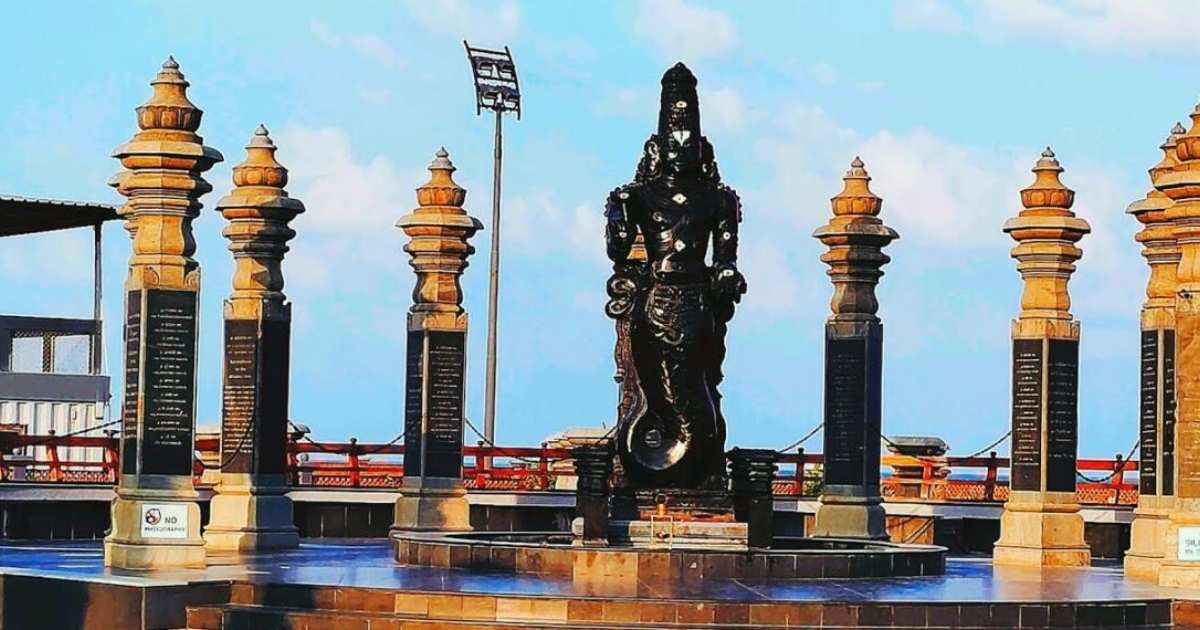
Have you ever stood at a place where the sea breeze hits your face, the sound of waves hums in the background, and you feel genuinely at peace? That’s exactly what happens when you visit the Sri Matsya Narayana Temple in Chennai. It’s not just another temple tucked into a busy street. It’s an open-air spiritual sanctuary sitting along the East Coast Road, where devotion meets nature in the most beautiful way possible.
Most people driving down ECR toward Uthandi don’t even know this gem exists. And that’s a shame. Because once you step inside, you realize it’s unlike any Vishnu temple you’ve ever visited. No towering gopuram. No enclosed walls. Just open sky, sea air, granite pillars, and a divine idol of Lord Vishnu in his Matsya form that leaves you genuinely speechless.
This guide covers everything you need to know before you visit, from timings and history to architecture, rituals, and nearby attractions. Let’s get into it.
Location and How to Reach the Temple
The temple is located on the East Coast Road (ECR) at Uthandi, Chennai. It sits close to the coastline, managed under the umbrella of Chinmaya Mission Chennai. The address puts it roughly 30 to 35 kilometers from the heart of Chennai city, making it an easy day trip or a peaceful weekend detour.
If you’re driving, take the ECR from Thiruvanmiyur toward Mahabalipuram. You’ll spot the Chinmaya Tarangini campus, which houses the temple, well before you reach Kovalam. The signage is clear, and the approach road is manageable even for first-time visitors.
No personal vehicle? No problem. You can board a bus from Chennai Mofussil Bus Terminus (CMBT) or Thiruvanmiyur toward Mahabalipuram and get off at the Uthandi stop. Shared autos and cabs from that point are easy to find. Ola and Uber also run reliably on this route if you prefer door-to-door comfort.
Parking space is available on the campus, so if you’re driving down with family, you won’t have to hunt for a spot along the highway.
Temple Timings and Visiting Hours
Planning your visit around the timings will save you a lot of frustration. The temple generally opens early in the morning and remains accessible through the evening hours.
Typical visiting hours are from 6:00 AM to 12:00 PM in the morning session and from 4:00 PM to 8:00 PM in the evening session. However, timings can shift slightly on festival days or special occasions hosted by Chinmaya Mission. It’s always smart to confirm directly with the temple or check the Chinmaya Mission Chennai website before making the trip.
Sunday is especially worth noting. The temple hosts special rituals and larger gatherings on Sunday mornings, which we’ll get into later. If you want to witness the full spiritual atmosphere, a Sunday visit during morning hours is your best bet. Early arrival matters here. The combination of sea breeze, morning light, and the sound of Sanskrit chanting at dawn is something you genuinely can’t replicate.
Read More: Mahabaleshwar Temple, Gokarna: History, Atmalinga Legend, Timings & Travel Guide
Entry Fee, Dress Code and Visitor Guidelines
There is no entry fee to visit the temple. It’s open to all devotees and visitors regardless of faith, which speaks to the inclusive spirit that Chinmaya Mission stands for. You don’t need to book in advance or carry any special documentation.
That said, like all Hindu temples, there are basic norms to follow. Traditional attire is preferred. Men typically wear dhotis or full-length pants, while women are expected to dress in sarees, salwar kameez, or similar modest clothing. Shorts and sleeveless tops are generally discouraged, even in an open-air setting.
Remove footwear before entering the temple premises. Designated racks are available near the entrance. Photography is usually permitted in outdoor areas but avoid clicking during active rituals or prayer sessions out of respect for fellow devotees. Loud conversations, mobile phone calls inside the prayer area, and any behavior that disrupts the meditative calm are best avoided. The place genuinely has a rare stillness to it, and preserving that matters.
History and Founding of the Temple
The Sri Matsya Narayana Temple is part of the Chinmaya Tarangini complex, a cultural and spiritual campus established by Chinmaya Mission Chennai. Chinmaya Mission, founded by Swami Chinmayananda in 1953, has been one of India’s most respected Vedantic organizations for decades. Its philosophy centers on making ancient Hindu wisdom accessible and practical for modern life.
The Tarangini campus near ECR was developed as a serene retreat away from the city’s noise. The idea was to create a space where spiritual study, meditation, and devotion could come together in a natural setting. The temple dedicated to Lord Vishnu in his Matsya avatar became the spiritual heart of this campus.
While the temple itself is relatively contemporary in origin compared to centuries-old shrines, its architectural philosophy draws deeply from ancient Agama traditions and Dravidian design sensibilities. The Chinmaya Mission ensured that the space wasn’t just visually striking but spiritually resonant, grounded in scripture and symbolism at every turn.
What makes this founding story interesting is its intention. This wasn’t built to attract tourists or claim fame. It was built as a place of genuine practice, a spot where devotees could come, sit quietly, chant, and connect with something larger than themselves. That intention still shows in how the temple feels when you walk in.
The Spiritual Significance of Matsya Avatar
To truly appreciate this temple, you need to understand why the Matsya avatar matters. In Hindu mythology, Matsya is the first of Vishnu’s Dashavatara, the ten principal incarnations. It’s described in the Matsya Purana and forms one of the most ancient cosmological stories in Indian scripture.
The legend goes like this. A great sage named Satyavrata, who later became Manu, was washing his hands in a river when a tiny fish swam into his palms and pleaded for protection. He kept the fish, but it kept growing. No vessel could contain it. Eventually, Manu recognized the fish as divine. It revealed itself as Vishnu and warned Manu of an imminent flood that would destroy all life.
Vishnu, in the form of a massive horned fish, guided Manu’s boat through the deluge, helping preserve the Vedas, seeds, and living species so life could begin again after the flood. Sound familiar? Scholars often draw parallels between this story and flood narratives found across world mythologies.
The Matsya avatar represents more than survival. It symbolizes Vishnu’s role as the preserver, stepping into the most vulnerable form, a fish, to protect knowledge and life. That message of divine compassion in humble form carries enormous weight. Worshipping at a temple dedicated to this avatar means connecting with that foundational act of preservation and grace.
Unique Open-Air Architecture of the Temple
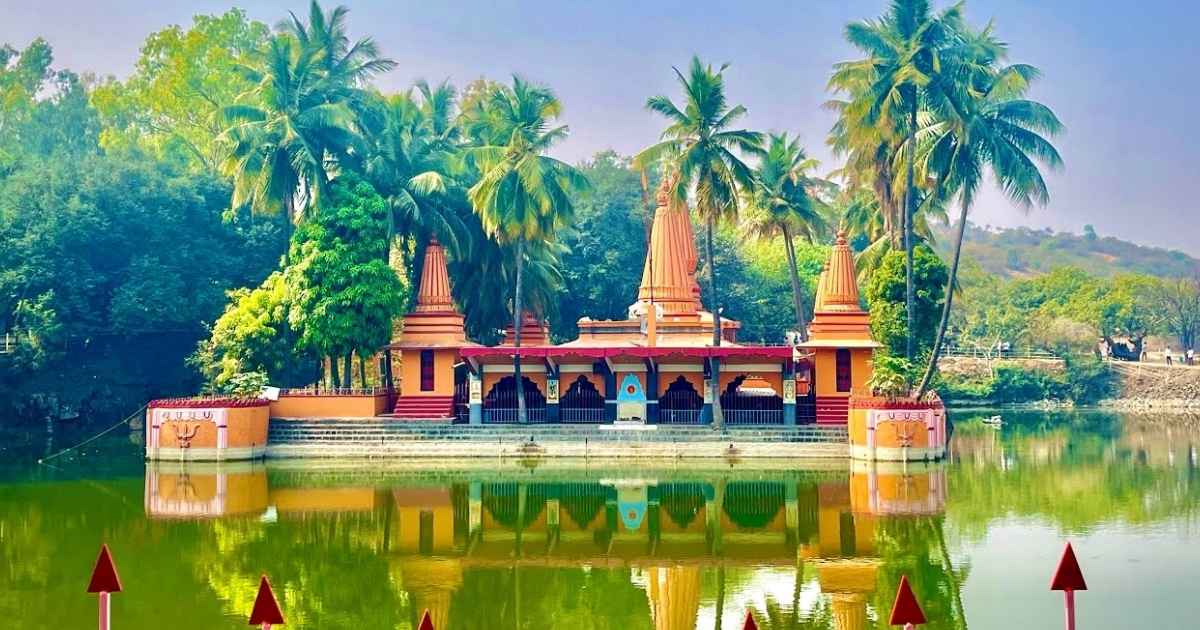
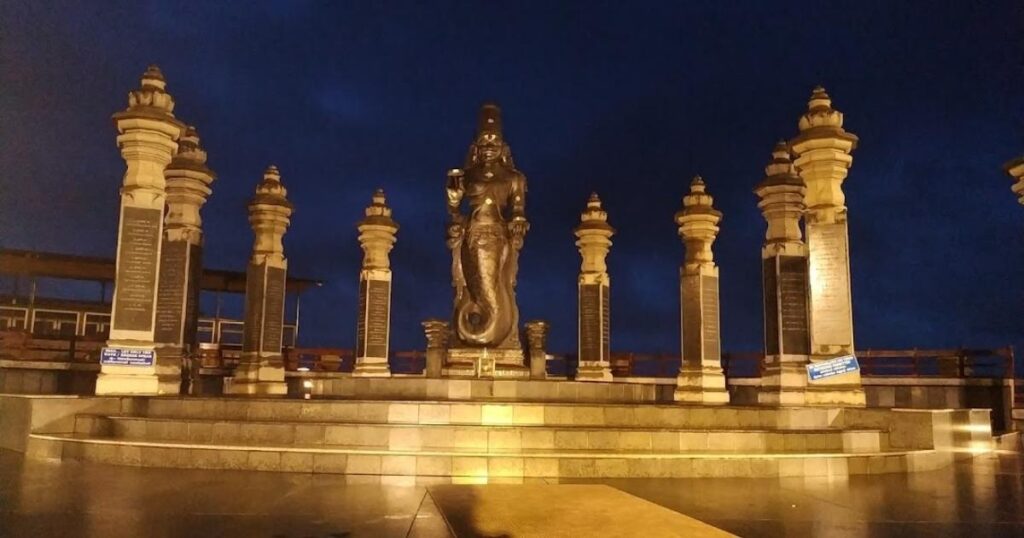
This is where the temple really sets itself apart. The Sri Matsya Narayana Temple is built as an open sky temple, meaning there are no walls or roof enclosing the primary worship space. The entire structure opens upward toward the sky and outward toward the sea.
This kind of open-air Vishnu temple architecture in Chennai is genuinely rare. Most classical temples in Tamil Nadu are enclosed structures with intricate gopurams and mandapams. Here, the design philosophy flips that convention deliberately. The open structure reflects Vishnu’s all-pervading, limitless nature. Confining such a deity within walls would almost feel like a contradiction in terms.
The campus design also integrates naturally with the coastal environment. Sea-facing temple spaces are historically associated with maritime culture and pilgrimage traditions in South India, but rarely do you find one so thoughtfully designed to let nature become part of the worship experience.
The result is a spiritual seaside temple experience that hits differently depending on when you arrive. At dawn, golden light washes over the idol and pillars. By evening, the fading sun behind you creates a silhouette effect that feels almost cinematic. During the monsoon, the sound of rain on the granite floor adds an entirely different dimension to the meditation.
The Central Matsya Narayana Idol and Sacred Pond
The focal point of the entire temple is a stunning granite Matsya Narayana statue. The idol depicts Lord Vishnu in a form that merges his human upper body with the fish form below, representing the Matsya avatar in its divine completeness. The craftsmanship is detailed and deeply reverent. The posture, the iconographic elements, the expression, all of it reflects classical tradition done with modern precision.
Surrounding the main idol is a sacred pond that adds enormous symbolic weight to the setting. Water, in this context, isn’t just decorative. It directly references the primal ocean from which the Matsya avatar emerged. It also creates a visual effect where the idol appears to rise from water, which is exactly how the mythology describes the moment.
Visitors often spend long stretches simply sitting near the pond and watching the reflection of the idol in the still water. It’s one of those rare spots where stillness doesn’t feel forced. It arrives naturally. Children find the pond fascinating. Elders tend to sit in quiet contemplation. And somewhere between those two responses, most visitors find their own version of peace.
The sacred fish legend in this setting becomes viscerally tangible. You’re not reading about it in a book. You’re sitting next to a body of water, looking at the idol, and the story suddenly feels alive.
The 108 Granite Pillars and Vishnu Sahasranamam
One of the most architecturally distinctive features of this temple is its row of 108 granite pillars, each engraved with verses from the Vishnu Sahasranamam. For those unfamiliar, the Vishnu Sahasranamam is a sacred hymn listing 1008 names of Lord Vishnu, drawn from the Mahabharata. It is one of the most chanted and revered texts in Vaishnavism.
The choice of 108 pillars is deliberate. In Hindu tradition, 108 is considered a sacred number. It appears across astronomy, mathematics, and scripture in ways that ancient scholars considered cosmically significant. Having 108 pillars, each bearing Vishnu’s names, transforms a simple walkway into a meditative corridor.
Walking between these pillars while the sea breeze passes through them is a quietly profound experience. The engraved letters catch the light differently throughout the day. Morning sun makes the inscriptions glow softly. Evening light deepens the shadows within the carved text, making each name stand out with more intensity.
If you’re someone who practices the Vishnu Sahasranama engraved pillars as a meditative walk, pausing at each pillar to read or chant a name, a single walk through could become an extended spiritual practice. Many regular visitors do exactly this, turning the pillar corridor into a personal ritual.
Rituals and Spiritual Activities at the Temple
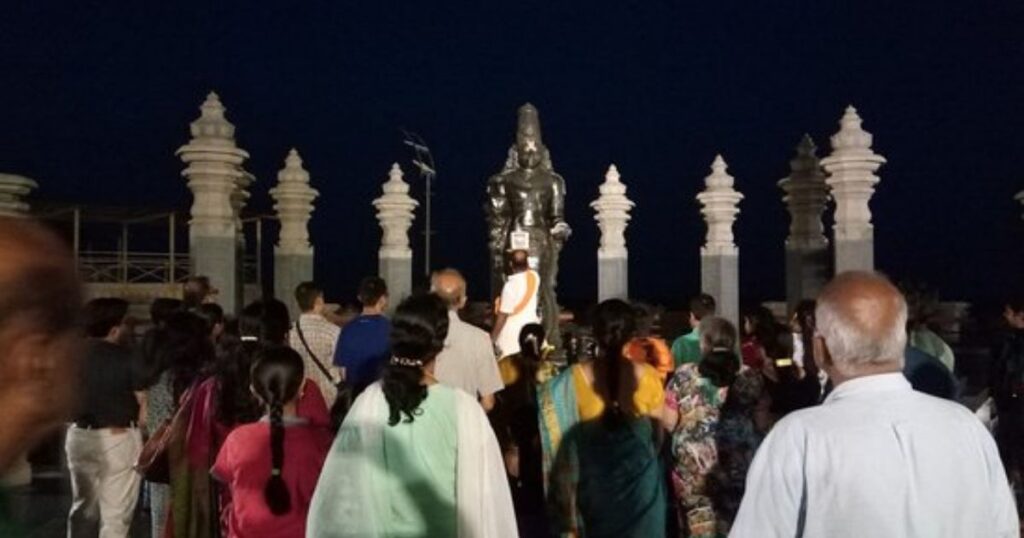
The temple isn’t just a place you visit and leave. There’s a rhythm of daily worship that gives the place its living quality. Regular abhishekam, archana, and deeparadhana rituals are performed at the main idol according to Agamic traditions. These rituals follow structured timings tied to the morning and evening sessions.
Chinmaya Mission also organizes periodic Vedic study sessions, satsangs, and spiritual discourses on the campus. If you’re visiting not just for darshan but for a deeper engagement with Hindu philosophy, checking the Mission’s events calendar is worth your time. The campus sometimes hosts camps for children and adults rooted in the Chinmaya Mission’s educational philosophy.
Bhajans and group chanting sessions happen on select days, particularly around festival seasons. The open-air setting means the sound of chanting literally travels with the wind, which creates an ambient devotional atmosphere that’s hard to describe but impossible to forget once you’ve experienced it.
Temple rituals and homam ceremonies are also conducted on auspicious days. Devotees seeking specific blessings, whether for health, family well-being, or new beginnings, often participate in these homam sessions by prior arrangement with the temple office.
Sunday Special Rituals: Gayatri Homam and Sagar Aarti
Sunday is when the temple truly comes alive. The Gayatri Homam conducted on Sunday mornings is one of the most attended rituals at the Chinmaya Tarangini temple Chennai location. The Gayatri Mantra, addressed to the solar deity and considered among the most powerful of Vedic mantras, forms the core of this fire ritual.
Participating in a Gayatri Homam here is a different experience compared to indoor temple settings. The open sky above, the sea on the horizon, and the fire burning at the homa kunda create a sensory convergence that feels ancient. Smoke, sound, light, and wind combine in a way that makes the ritual feel connected to something elemental.
The Sagar Aarti is the evening highlight. This is a divine sea aarti ritual performed facing the ocean, where lamps are offered toward the water at dusk. The practice draws from coastal temple traditions found across India’s shoreline pilgrimage culture, from Gujarat to Tamil Nadu. Here, the aarti feels especially meaningful given that the temple is dedicated to a deity whose founding myth is entirely about water.
Families come specifically for the Sunday rituals. Some drive from central Chennai. Others are regulars from nearby neighbourhoods along ECR. The communal energy on a Sunday evening, lamps in hand, facing the sea as the sky turns orange and pink, is one of those memory-making moments that stays with you.
Visitor Experience and Peaceful Meditation Atmosphere
People who visit for the first time often say the same thing: “I didn’t expect it to feel like this.” That reaction tells you something real about the place. A meditation temple by the sea sounds like something you’d find in a travel brochure. But the actual experience here goes beyond marketing language.
The air quality alone is different. Sea air, greenery from the campus, and the absence of the city’s noise pollution combine to make breathing here genuinely feel different. Many visitors report a drop in mental chatter within minutes of arriving. That’s not mysticism. That’s just what happens when your nervous system encounters actual quiet.
The temple design enhances this effect. There are no crowds pressing against you. The open space lets you find your own corner, your own pillar, your own angle from which to sit and reflect. Some visitors meditate. Others journal. Many simply sit in silence and watch the sky change.
The peaceful meditation place in Chennai is a description this temple has earned honestly. It’s not marketed aggressively. Word of mouth keeps it known among people who value genuine spiritual experiences over Instagram-worthy spectacles. Although, truthfully, it photographs beautifully too.
Nearby Attractions to Visit Around the Temple
Since the temple sits along ECR, you have a solid range of options for rounding out your day trip. The coastline here is gentler and less crowded than Marina Beach, making it good for a calm walk or a quiet sit by the shore.
Muttukadu Boat House is about 10 kilometers north along ECR and offers boating on a backwater lagoon that’s pleasant in the morning. Crocodile Bank is another popular stop nearby, especially if you’re traveling with children. It’s one of India’s largest crocodilian conservation centers and genuinely educational.
Kovalam Beach, just a few kilometers south, is a serene stretch where you can sit and watch fishing boats head out early in the morning. It lacks the chaos of more famous beaches and pairs well with a meditative temple visit.
Further south, you hit Mahabalipuram, a UNESCO World Heritage Site with rock-cut temples, shore temples, and ancient bas-reliefs that date back to the Pallava dynasty. Combining a visit to the Sri Matsya Narayana Temple with an afternoon at Mahabalipuram makes for a genuinely enriching day of coastal and cultural exploration.
Dakshinachitra, a living museum of South Indian arts, crafts, and heritage homes, is also along this stretch. If you appreciate art and architecture, it’s well worth a few hours of your time.
Best Time to Visit Sri Matsya Narayana Temple
The best time to visit is between October and March. Chennai’s summer (April to June) brings intense heat that makes outdoor temple spaces uncomfortable. The monsoon months, July to September, bring heavy rain, and while the temple has its own monsoon charm, access can sometimes be tricky.
Between October and February, the weather is genuinely pleasant on the ECR. Sea breezes are cool without being cold. Morning light is warm and golden. Temple rituals feel unhurried. And the coastal drive itself becomes an enjoyable part of the experience.
Festival timings are also worth planning around. Vaikunta Ekadashi, which falls in the Tamil month of Margazhi (December to January), sees special celebrations at Vishnu temples across Tamil Nadu. The temple may organize specific events around this occasion that are worth attending.
For those who prefer fewer crowds, weekday mornings between 7:00 AM and 9:00 AM offer a quietly private experience. The temple feels almost entirely yours during those hours, and the light at that time is exceptional.
FAQ’s
What are the visiting hours for Sri Matsya Narayana Temple, Chennai?
The temple is generally open from 6:00 AM to 12:00 PM and from 4:00 PM to 8:00 PM. Timings may vary on festival days, so confirming in advance is advisable.
Is there an entry fee to visit the temple?
No, entry to the Sri Matsya Narayana Temple is completely free. All visitors and devotees are welcome without any ticket or prior booking requirement.
What makes this temple different from other Vishnu temples in Chennai?
The temple features a rare open-air design with no walls or roof, 108 granite pillars engraved with the Vishnu Sahasranamam, a sacred pond, and sea-facing ritual spaces, making it architecturally and experientially unique.
Which is the best day to visit for special rituals?
Sunday is ideal. The Gayatri Homam in the morning and Sagar Aarti in the evening are both conducted on Sundays and draw a devoted regular crowd.
How far is the temple from central Chennai, and how do I get there?
The temple is approximately 30 to 35 kilometers from central Chennai on the East Coast Road near Uthandi. You can reach it by car, cab via Ola or Uber, or by bus from CMBT toward Mahabalipuram.

Oliver Bennett is Researcher focused on responsible, experience-led exploration. Having independently planned and completed 40+ trips across Europe and Asia, he provides practical itineraries, transport guidance, and safety insights grounded in firsthand knowledge. His work is supported by verified sources, local expert interviews, and regularly updated travel regulations.