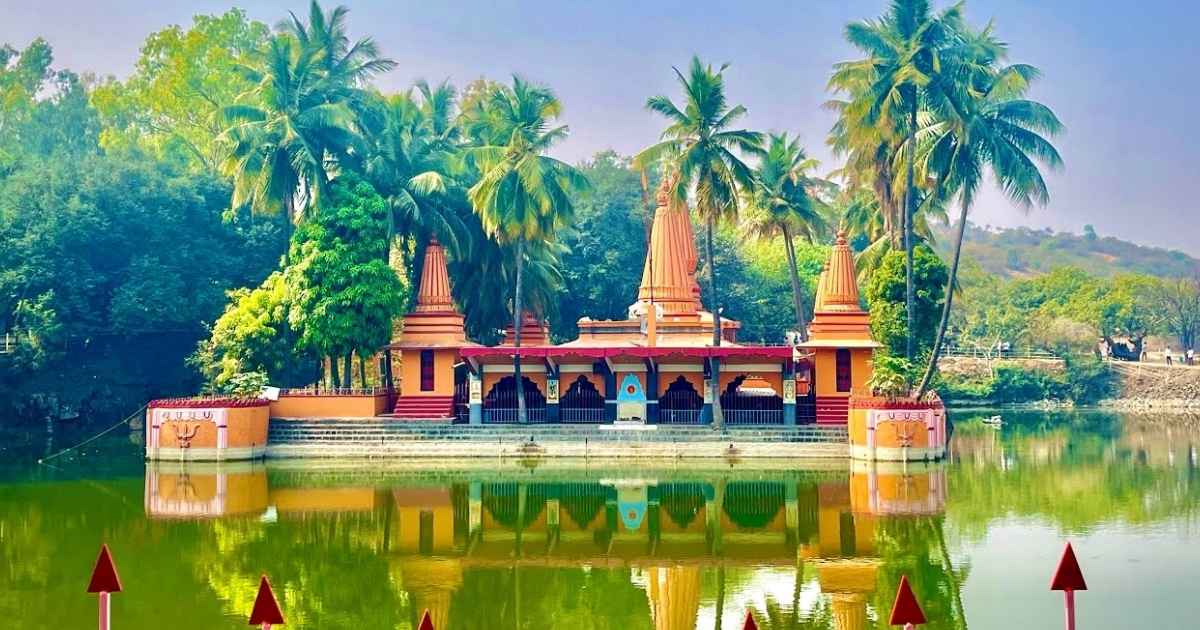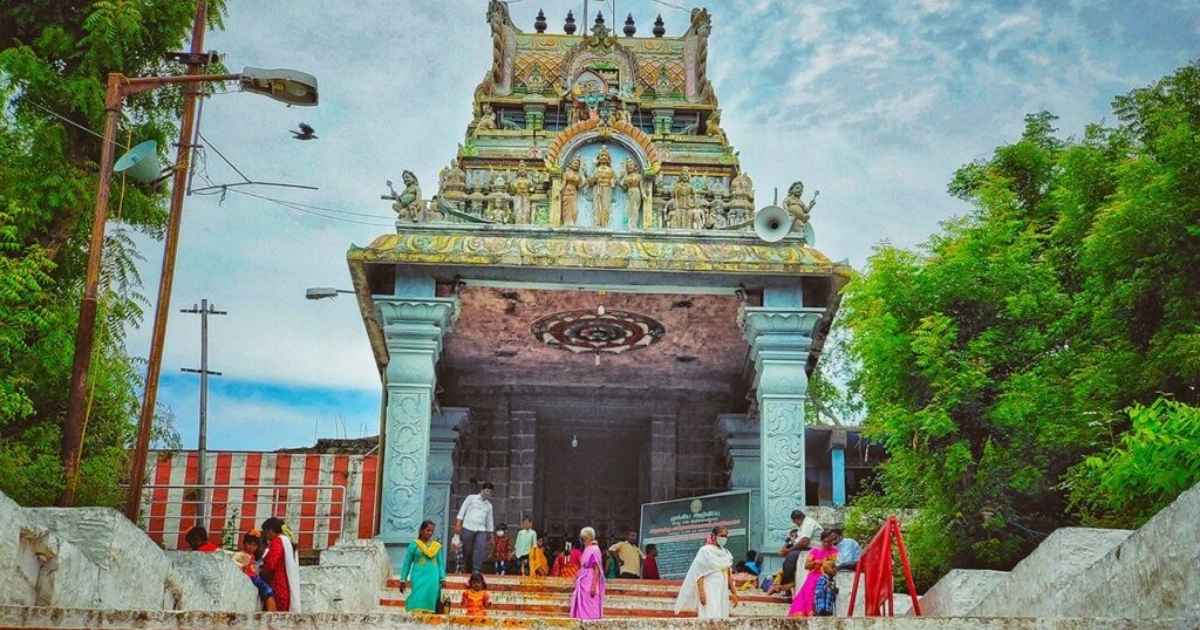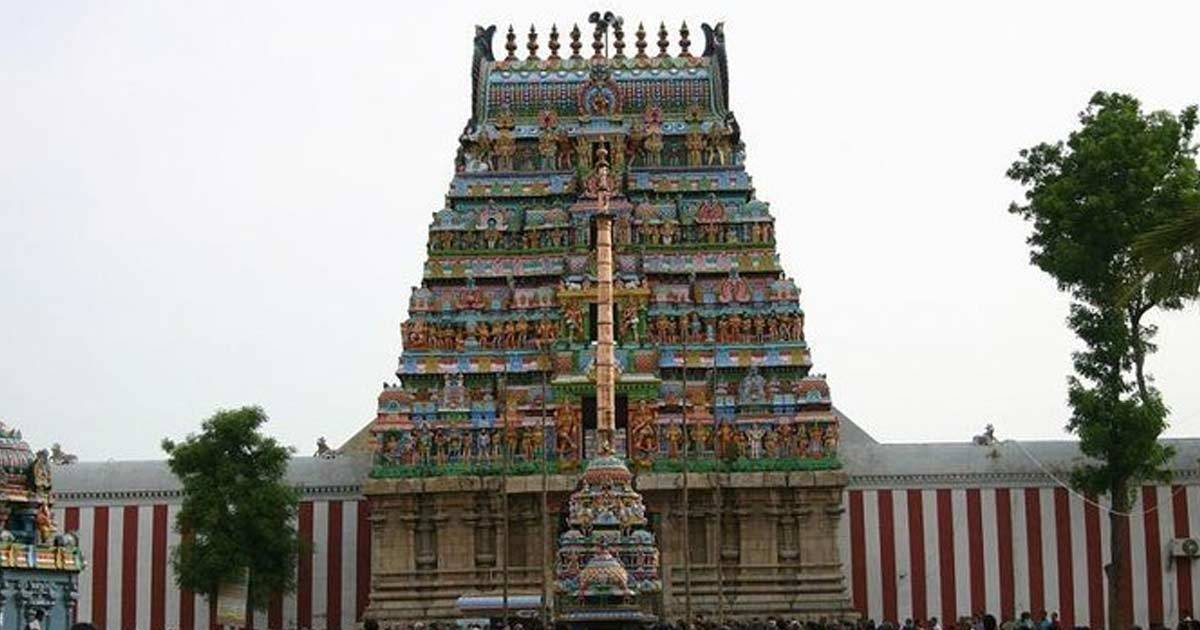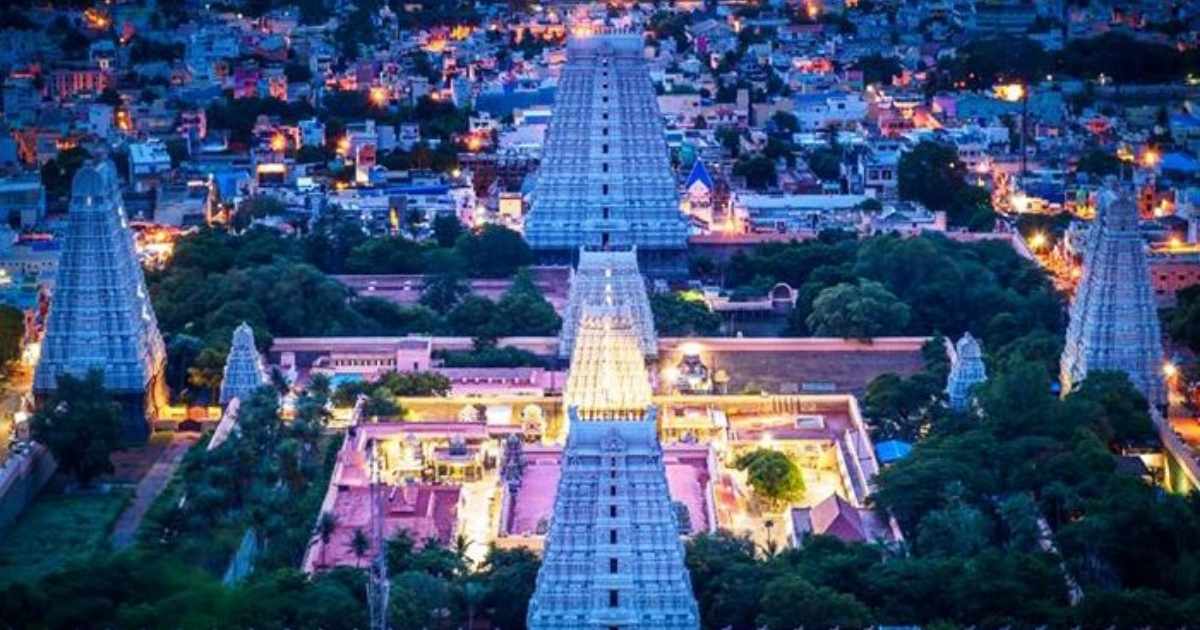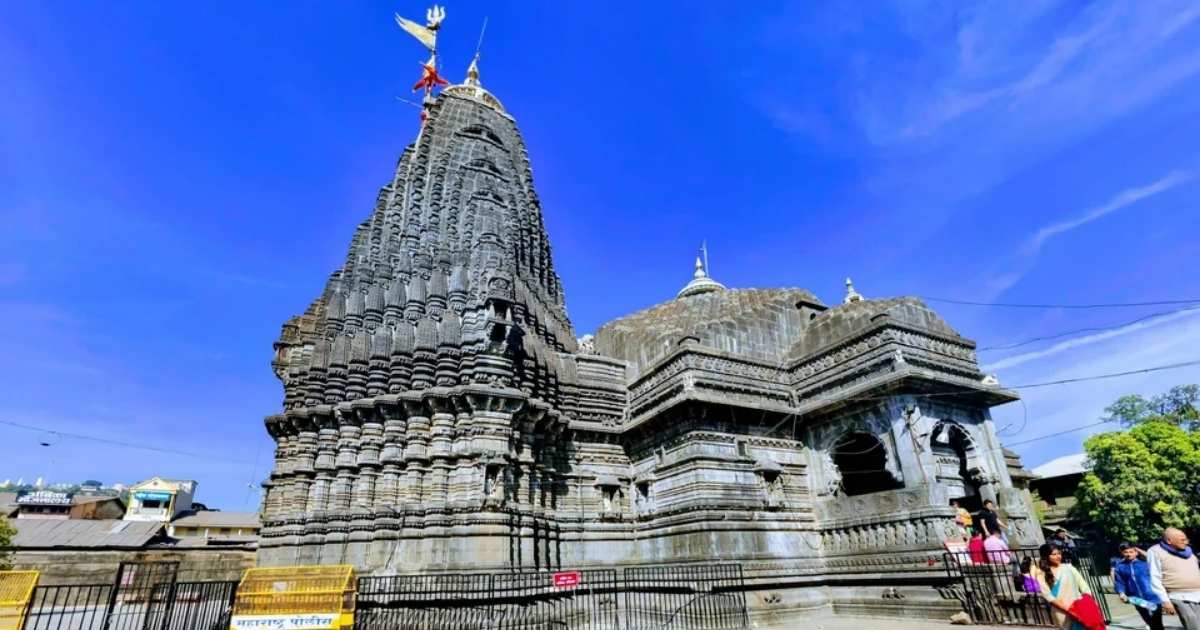
If you’ve ever felt the pull of a place that carries centuries of devotion in its very stones, Trimbakeshwar Temple is exactly that kind of destination. Nestled at the foothills of the Brahmagiri Hills in Trimbak, a small town about 28 kilometers from Nashik in Maharashtra, this ancient shrine is one of the most spiritually charged places in all of India. It’s not just a temple. It’s where mythology meets geography, where the sacred Godavari River takes its very first breath, and where millions of pilgrims arrive each year carrying prayers they’ve held close to their hearts for years.
Whether you’re planning your first visit or your fifth, this guide covers everything you need to know before you go. Timings, rituals, how to get there, what to wear, what not to do, and so much more. Let’s get into it.
History and Architecture of Trimbakeshwar Temple
The story of Trimbakeshwar Temple goes back further than most written records can trace. According to Hindu scriptures, particularly the Shiva Purana, this is the spot where Lord Shiva manifested as a column of infinite light, one of the twelve Jyotirlingas scattered across India. What makes Trimbakeshwar uniquely significant among all twelve is the three-faced Shiva Linga housed inside the sanctum. Known as the Trimurti form of Shiva, this linga bears three tiny faces representing Brahma, Vishnu, and Mahesh. You won’t find this anywhere else in India.
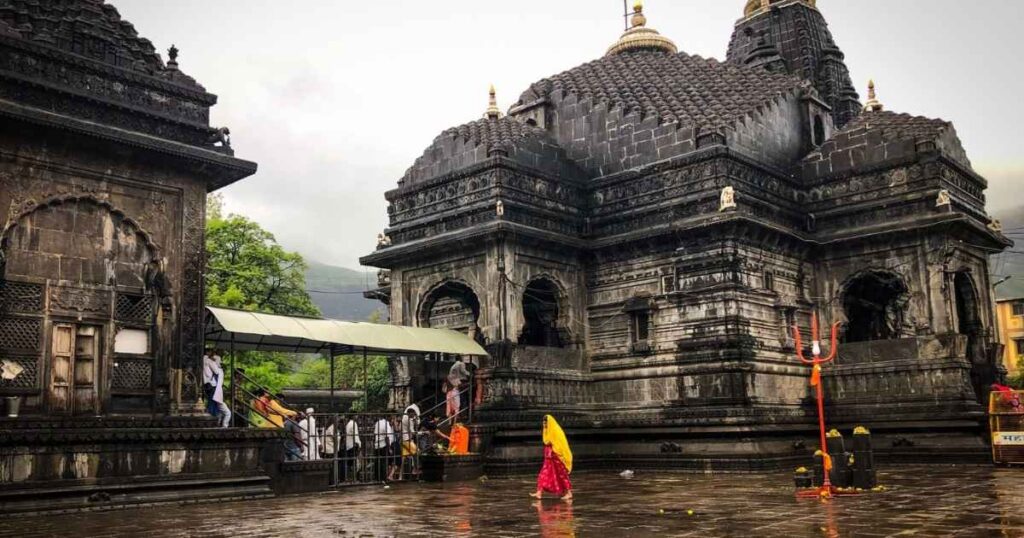
The origins of the current temple structure trace back to the 18th century. Nana Saheb Peshwa, the Maratha leader, commissioned the construction of the present temple between 1755 and 1786. Before that, an older structure stood here, but it was damaged over centuries of invasions and natural wear. What Nana Saheb built became an enduring masterpiece of Maratha-style temple architecture. The craftsmanship is extraordinary. The entire temple is carved from black basalt stone, and the intricate detailing on every surface tells stories from Hindu mythology. Geometric patterns, floral motifs, and deity carvings fill every inch of the outer walls.
The temple complex sits within a high enclosure wall, and its towering shikhara (spire) rises dramatically against the backdrop of the Brahmagiri Hills. Inside, the mood shifts entirely. The air feels cooler, quieter, heavy with the fragrance of incense and flowers. The main sanctum houses the Tryambakeshwara Jyotirlinga, and just outside lies the Kushavarta Kund, a sacred tank believed to be the earthly source of the Godavari River. Pilgrims take a ritual dip here before entering the temple. For many, the act of touching that water is the beginning of the journey, not just a pit stop before darshan.
The Godavari River origin at Trimbakeshwar is a huge part of why this place holds such weight in Hindu consciousness. The river, often called the Ganga of the South, begins its 1,465-kilometer journey to the Bay of Bengal right here in these hills. That geographic and spiritual convergence makes Trimbakeshwar unlike any other Jyotirlinga in the country.
Also Read: Yadagirigutta Temple Timings:, History, Festivals & Complete Visitor Guide
Rituals and Daily Puja Schedule at Trimbakeshwar
Walking into Trimbakeshwar without understanding its ritual framework is like visiting a theatre after the curtains have risen. You’ll catch the performance, but you’ll miss the entire story. The temple follows a rich, layered puja schedule from before sunrise to after dark, and each ceremony has its own texture and purpose.
The most sought-after ritual here is Rudra Abhishek. This is not just a simple offering. Priests perform an elaborate ceremonial bathing of the Jyotirlinga using milk, honey, curd, ghee, water from the Kushavarta Kund, and other sacred items while chanting Vedic hymns. Devotees who sponsor a Rudra Abhishek often describe it as one of the most emotionally moving experiences of their lives. If you plan to participate, book in advance through the temple trust.
Trimbakeshwar is also one of the very few places in India where Narayan Nagbali puja is officially sanctioned and performed. This ritual is conducted for souls who have died an unnatural death, and it’s believed to free them from the cycle of rebirth. Kaal Sarp Dosh Nivaran is another major ritual performed here regularly. Thousands of people travel specifically for this puja, as Trimbakeshwar is considered one of the most powerful places in India for removing Kaal Sarp Dosh from one’s birth chart. The cost for these rituals varies based on the type and duration, typically ranging from a few thousand to tens of thousands of rupees depending on the pandit and the elaborateness of the ceremony.
Pitru Dosh rituals are also widely performed here, drawing families who wish to offer proper rites to their ancestors and seek liberation for departed souls. If any of these rituals are on your list, plan a separate day entirely. They are not quick ceremonies.
Simple Daily Schedule
The temple opens its doors in the early hours of the morning and follows a structured schedule throughout the day.
- Morning opening and Kakad Aarti: around 5:30 AM
- Morning darshan: 6:00 AM to 12:00 PM
- Afternoon closure for rest and rituals: 12:00 PM to 4:00 PM
- Evening darshan: 4:00 PM to 9:00 PM
- Shej Aarti (evening closing ceremony): around 9:00 PM
These timings can shift slightly during festivals and the Shravan month, when the temple stays open longer to accommodate the massive crowds. Always verify the current schedule with the Trimbakeshwar Temple Trust before planning your visit.
How to Reach Trimbakeshwar Temple
Getting to Trimbakeshwar is easier than you might think, especially from Mumbai and Pune. The town is well connected by road, and Nashik serves as the main transit hub whether you’re coming by air or train.
By Air
The nearest airport is Nashik’s Ozar Airport, located about 50 kilometers from Trimbakeshwar. However, flight connectivity to Nashik is limited. Most travelers flying in prefer to land at Chhatrapati Shivaji Maharaj International Airport in Mumbai, which is roughly 170 kilometers away. From Mumbai airport, you can hire a cab directly to Trimbakeshwar, which takes around 3.5 to 4 hours depending on traffic.
By Train
Nashik Road Railway Station is the closest major railhead, approximately 40 kilometers from Trimbakeshwar. Several express trains connect Nashik to Mumbai, Pune, Delhi, and other major cities. Once you reach Nashik, take a shared taxi or auto-rickshaw to the state transport bus stand, and from there, buses and private cabs run frequently to Trimbakeshwar.
By Road
This is honestly the most convenient way to go. The road journey from Mumbai takes around 3 to 4 hours via NH3. From Pune, expect about 4.5 hours. The Maharashtra State Road Transport Corporation runs regular buses from Nashik’s CBS (Central Bus Stand) to Trimbak. Private cabs and app-based taxi services are also widely available. The last stretch of road leading into Trimbak winds through lush green hills, especially beautiful during and after the monsoon season.
Best Time to Visit Trimbakeshwar Temple
Timing matters here more than at most places. Trimbakeshwar draws enormous crowds during certain periods, and your experience can be wildly different depending on when you show up.
The cooler months between October and March are generally the most comfortable for visiting. The weather is pleasant, the hills are beautiful, and the crowds, while present, are manageable. If you want a more intimate and peaceful darshan, aim for a weekday visit during this window.
Shravan month, which falls between July and August in the Hindu calendar, is the most spiritually electric time to visit. Every Monday during Shravan sees massive pilgrim gatherings. The atmosphere is electric, devotional, and deeply moving. But it’s also intensely crowded. Plan for waiting times of several hours.
Mahashivratri at Trimbakeshwar is perhaps the grandest event of the year. The temple stays open through the night, and thousands of devotees from across Maharashtra and beyond arrive to observe the sacred night. It’s an unforgettable experience if you’re prepared for the crowd.
The Kumbh Mela, held at Nashik and Trimbakeshwar every twelve years, is in a category of its own. When Kumbh Mela comes to Nashik, Trimbakeshwar becomes the epicenter. The Kushavarta Kund turns into one of the primary bathing ghats, and millions congregate over several weeks. The next occurrence is worth tracking if you’re a serious pilgrim.
Monsoon visits, typically June through September, come with a caveat. The Brahmagiri Hills turn a stunning shade of green, and the Godavari flows full and strong. But the rains can be heavy, roads can get slippery, and the temple may be crowded during Shravan. If you’re up for the adventure, it’s genuinely breathtaking.
Nearby Attractions – Trimbakeshwar Temple
Once you’re in the area, there’s more to explore than just the main temple. The region around Trimbak is packed with natural beauty and historical significance.
Brahmagiri Hills trek is a favourite among both pilgrims and trekking enthusiasts. The trail leads up to the hilltop where the Godavari is said to originate, and the views along the way are remarkable. It’s a moderate trek, taking about 2 to 3 hours to complete. The path passes through dense forest, and on clear days you can see for miles in every direction.
Anjaneri Hills, believed to be the birthplace of Lord Hanuman, are located close by and make for a rewarding half-day trip. The Pandavleni Caves near Nashik are ancient Buddhist rock-cut caves dating back over 2,000 years. They offer a fascinating contrast to the Hindu pilgrimage trail.
Ramkund in Nashik is another sacred site worth visiting. Located on the banks of the Godavari, it’s where Lord Rama is said to have taken a ritual dip during his years in exile. The area around it is filled with ghats, temples, and the hum of devotional activity throughout the day.
If you have an extra day, the wine country around Nashik is also worth a short detour. The Sula Vineyards are just a short drive away and offer a completely different kind of experience if you need a break from the spiritual circuit.
Do’s and Don’ts at Trimbakeshwar Temple
Do’s
Dress modestly and conservatively. Traditional Indian attire is preferred and widely respected here. Men usually wear dhoti-kurta, and women opt for sarees or salwar suits. Carry your ID proof, as it may be required for some ritual bookings. Arrive early in the morning for a quieter darshan experience, especially on weekdays. Take a dip at Kushavarta Kund before entering the main sanctum, as this is both the tradition and a deeply cleansing experience. Engage a local pandit if you plan to perform any specific puja, as the rituals require proper guidance.
Don’ts
Non-Hindu visitors are currently not permitted to enter the inner sanctum of Trimbakeshwar Temple. This is a well-established rule, and it’s best to respect it without question. Photography is not allowed inside the temple premises, so leave your camera at the entrance and simply be present. Do not carry leather items like belts or bags inside. Avoid wearing shoes or slippers beyond the designated areas. Don’t eat non-vegetarian food in the temple town, as many eateries around the temple strictly serve vegetarian food only.
Tips for Pilgrims Visiting Trimbakeshwar Temple
If it’s your first visit, a few practical tips can make a significant difference. Book any special puja or ritual at least a week in advance through the official temple trust, especially for Kaal Sarp Dosh Nivaran and Narayan Nagbali, as slots fill up fast during peak season.
Wear comfortable footwear that you can easily slip on and off multiple times. The cobblestone paths and temple precincts involve a fair amount of walking. Carry a small bag for storing your shoes, phone, and any prasad you collect.
If you’re visiting during Shravan or Mahashivratri, be mentally prepared for long queues. Patience is genuinely the most important thing you can pack. Hiring a local guide isn’t mandatory, but it adds real depth to your visit. They can explain the iconography, ritual significance, and local legends in ways that no guidebook quite captures.
Keep some cash handy. Many small shops, prasad stalls, and service providers around the temple don’t accept digital payments. ATMs are available in Trimbak town but can get busy during peak pilgrimage season.
Food and Facilities for Visitors at Trimbakeshwar Temple
Food Options
The area around Trimbakeshwar temple is entirely vegetarian, which aligns with the spiritual ethos of the place. You’ll find a good range of simple, wholesome Maharashtrian food available at local eateries. Misal pav, poha, sabudana khichdi, and thali meals are popular choices. Several small dhabas and restaurants line the main road leading to the temple. Don’t expect five-star dining, but do expect hot, fresh, and filling meals at reasonable prices. Some dharmashalas (pilgrim rest houses) also serve free or subsidised meals to devotees.
Facilities for Visitors
The temple trust has improved visitor facilities considerably over the years. Clean restrooms are available near the entrance. Shoe storage counters are set up outside the main gate. Drinking water stations are accessible at multiple points. For pilgrims requiring assistance, there are arrangements for elderly or differently-abled visitors to access the temple with support.
Accommodation near Trimbakeshwar temple ranges from budget dharmashalas to mid-range hotels in both Trimbak and Nashik. If you plan to stay in Trimbak itself, booking ahead during festival seasons is essential, as rooms fill up weeks in advance. Nashik offers a wider variety of hotels and is an easy 30-minute drive to the temple each morning.
Conclusion
Trimbakeshwar Temple isn’t a destination you simply check off a list. It stays with you. The combination of raw spiritual energy, breathtaking natural surroundings, and centuries of living tradition creates something that’s genuinely hard to describe unless you’ve stood inside that ancient sanctum and felt the weight of it.
Whether you’re coming for darshan, for a specific ritual, or simply because something inside you said it was time, Trimbakeshwar meets you exactly where you are. Plan thoughtfully, travel respectfully, and give yourself enough time to actually absorb the place rather than rushing through it.

Oliver Bennett is Researcher focused on responsible, experience-led exploration. Having independently planned and completed 40+ trips across Europe and Asia, he provides practical itineraries, transport guidance, and safety insights grounded in firsthand knowledge. His work is supported by verified sources, local expert interviews, and regularly updated travel regulations.